


logo logo
logo-mobile

From City Streets to Lakeside Retreats: The Story of RBA Projects

Before RBA Projects became one of Ontario’s most trusted design and build firms, there were just two lifelong friends…

Before RBA Projects became one of Ontario’s most trusted design and build firms, there were just two lifelong friends—Rob Allan and Ryan Robinson—spending their weekends sketching, tinkering, and building anything they could get their hands on. They weren’t brothers by blood, but they might as well have been. What started as a shared fascination with how things fit together—wood, steel, glass—eventually grew into a deep respect for design and craftsmanship that would shape the foundation of RBA Projects.

“Ryan and I were always the kids taking things apart to see how they worked,” laughs Rob. “Eventually, we realized we were better at putting them back together in a way that made them better. That’s really how RBA started.”


Building a Vision, One Detail at a Time

Rob took an unconventional path into the world of building. He began his career in the corporate sector, where he learned the discipline of project management, communication, and accountability. But by 2003, the call to create something tangible was too strong to ignore. Leaving behind the boardroom for the job site, he founded RBA Projects—a company built on the belief that excellence in building starts with integrity and collaboration.

Ryan joined soon after, bringing complementary strengths in technical design and site execution. Together, they turned their shared passion into a powerhouse firm that could move seamlessly from urban builds to bespoke lakeside retreats.

“We’ve always believed that design should lead the build—not follow it,” explains Ryan. “That’s why we’ve surrounded ourselves with architects and designers who push boundaries. The collaboration fuels better results every single time.”

A Design-Led Approach

At its core, RBA Projects is a design-driven builder. The firm’s reputation was built not only on its craftsmanship but on its ability to translate a designer’s vision into flawless reality. Over the years, RBA has built lasting partnerships with leading architectural and design studios, including Strata Design & DevelopmentNatalie Chandon DesignStoyanovskyy ArchitectsOomphAlyssa Papa Studio, and BLDG Workshop.

“Working with RBA is like working with an extension of your design team,” says designer Alyssa Papa. “They bring this mix of technical precision and aesthetic sensitivity that makes our ideas stronger, not smaller. You can tell they genuinely care about the craft and the client in equal measure.”

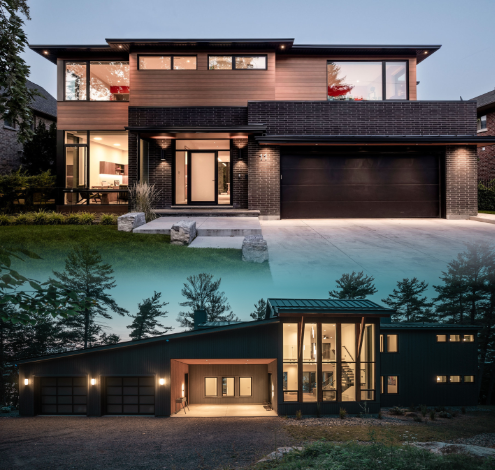
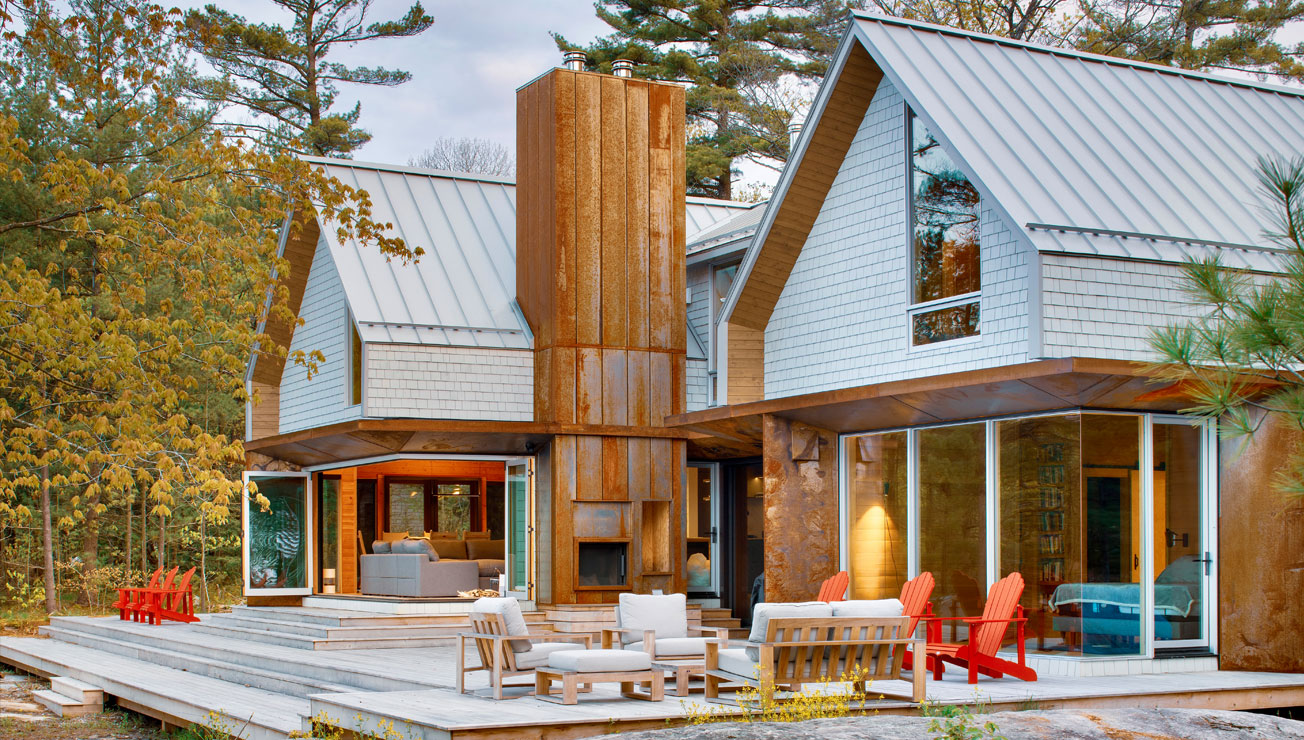
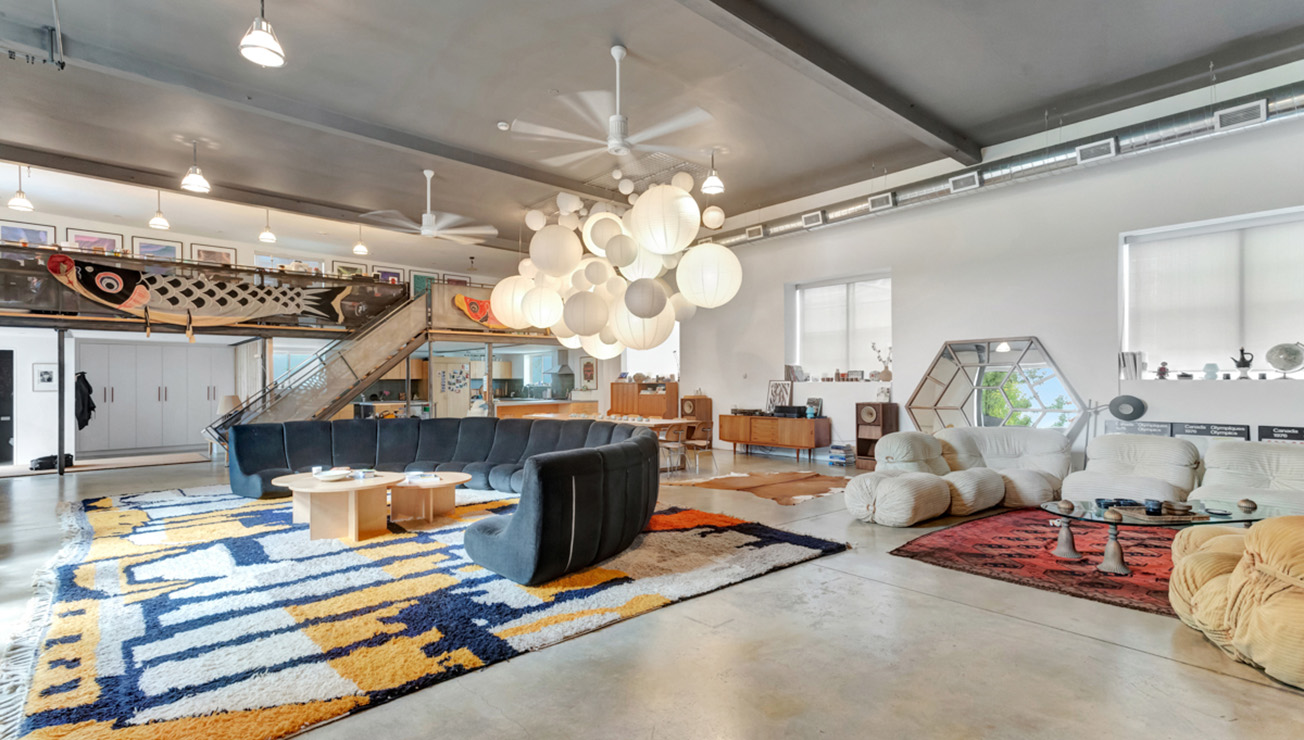
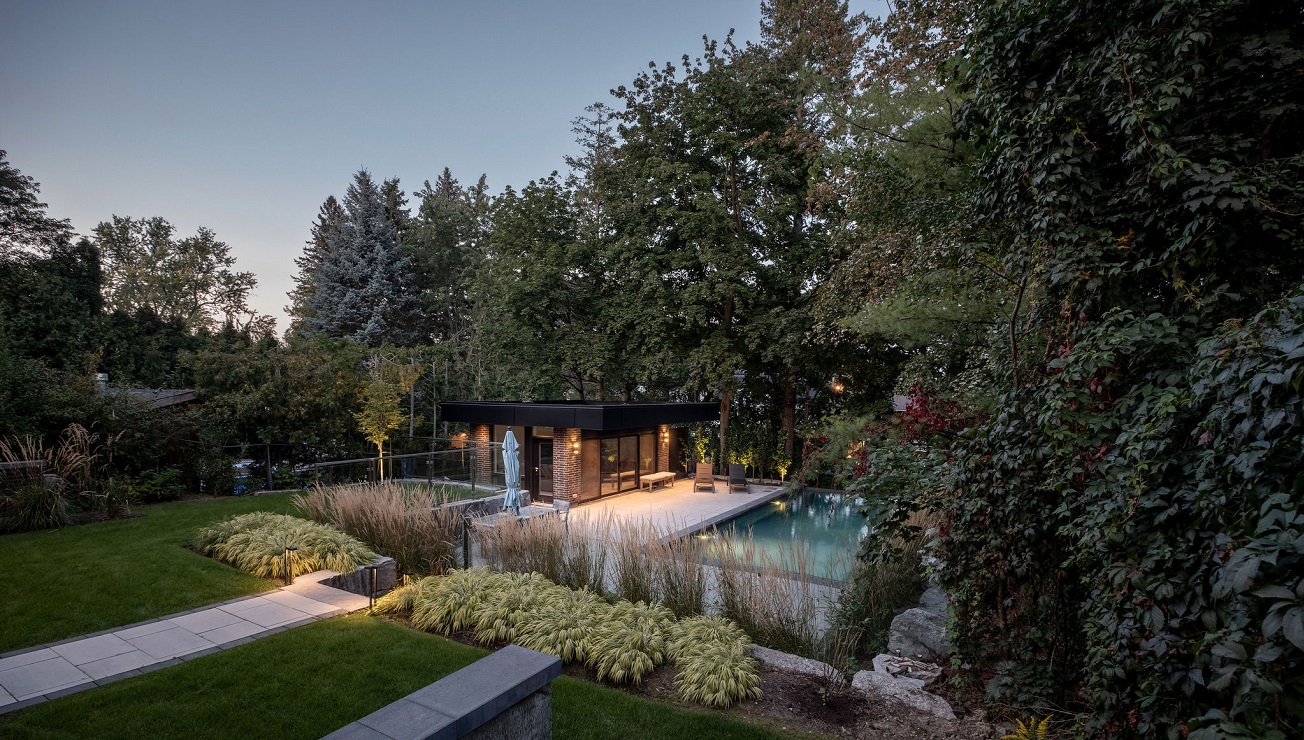
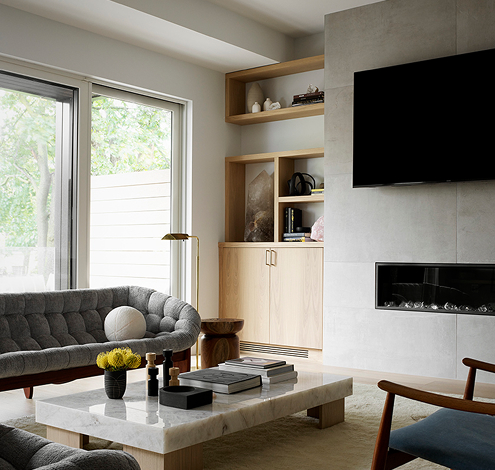
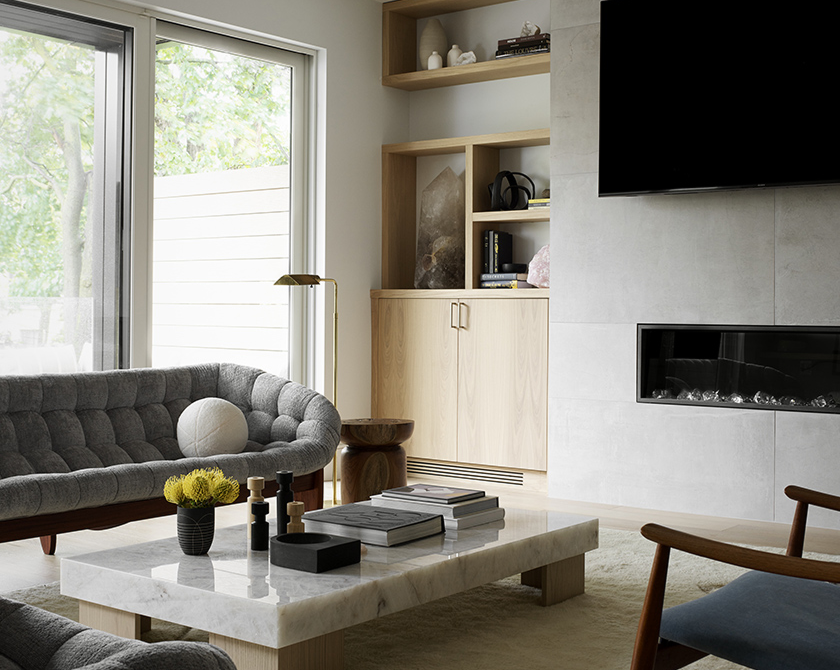
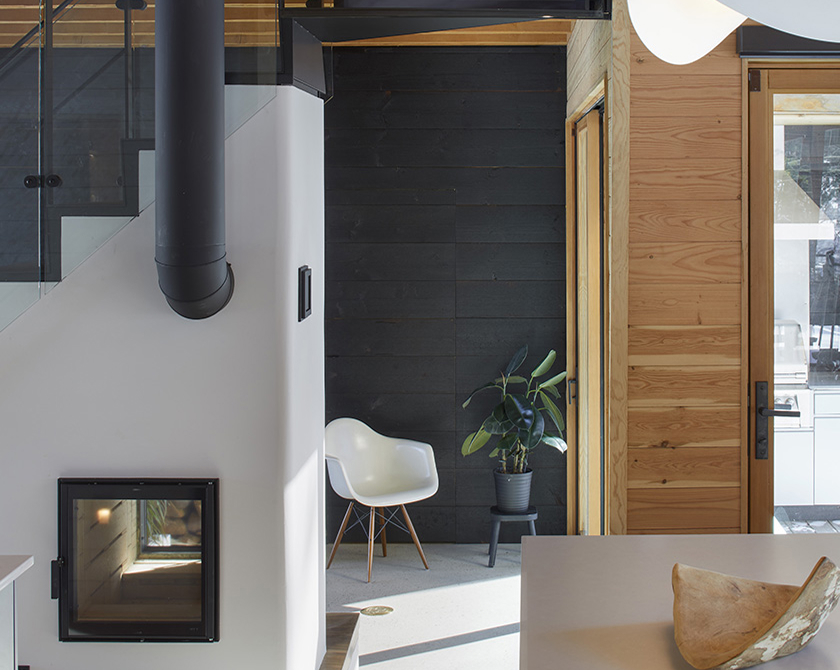
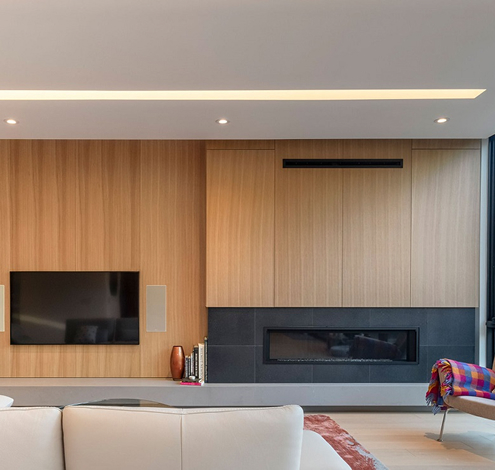
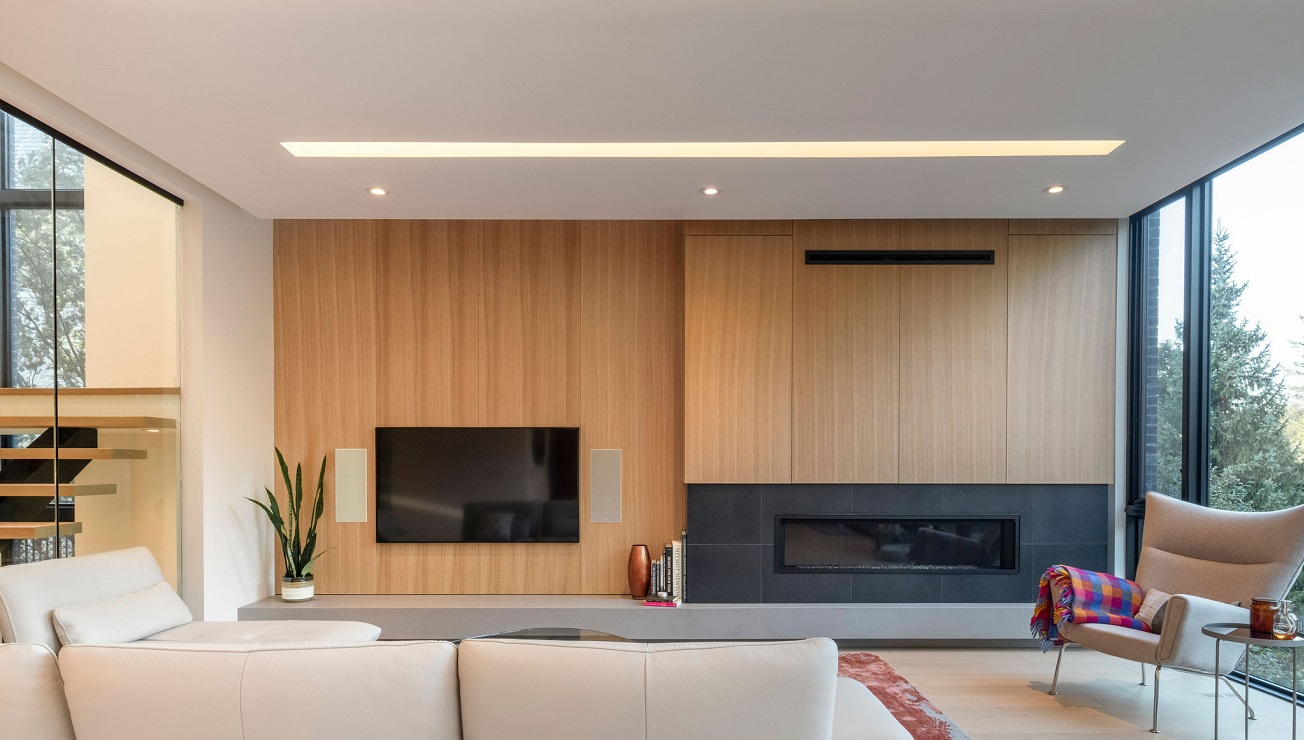
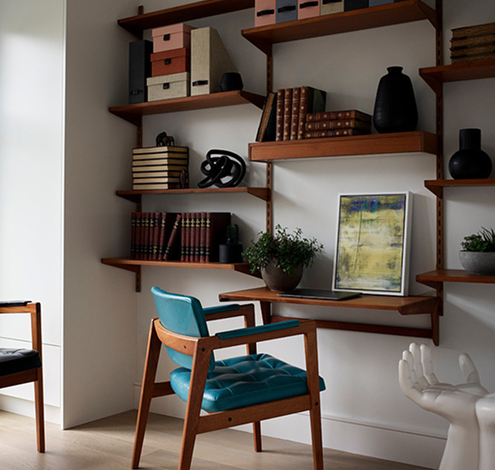
This design-first philosophy has allowed RBA to excel across an impressive range of styles—from the clean lines of Scandinavian-inspired modern homes to the warmth and texture of heritage restorations. Few builders can pivot so gracefully between a Modern Humber Valley Custom Home, a Lake Simcoe Century Farmhouse, and a Laneway House in Little Italy, but that versatility has become part of RBA’s DNA.


Scandinavian Modern Inspiration


Lake Simcoe Century Farmhouse


Laneway House in Little Italy

Signature Projects

Every RBA project tells a story about the relationship between design, place, and the people who bring it to life.

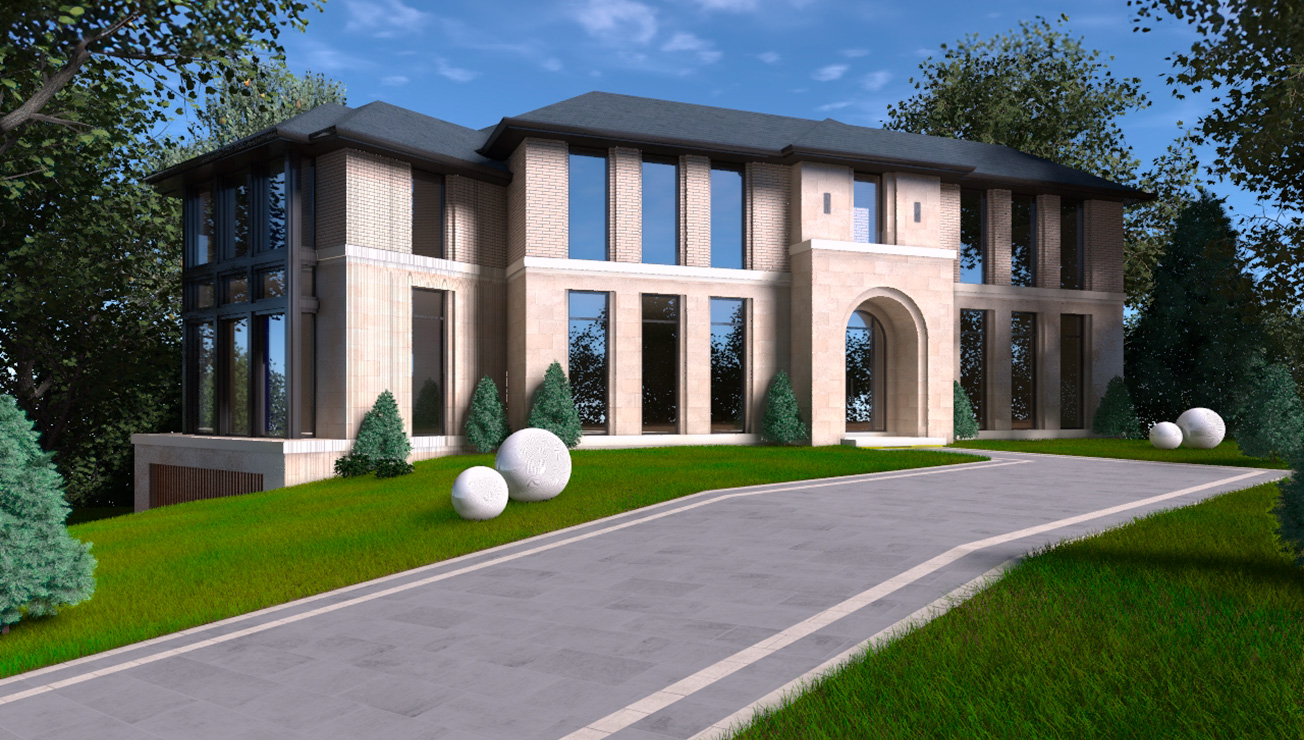
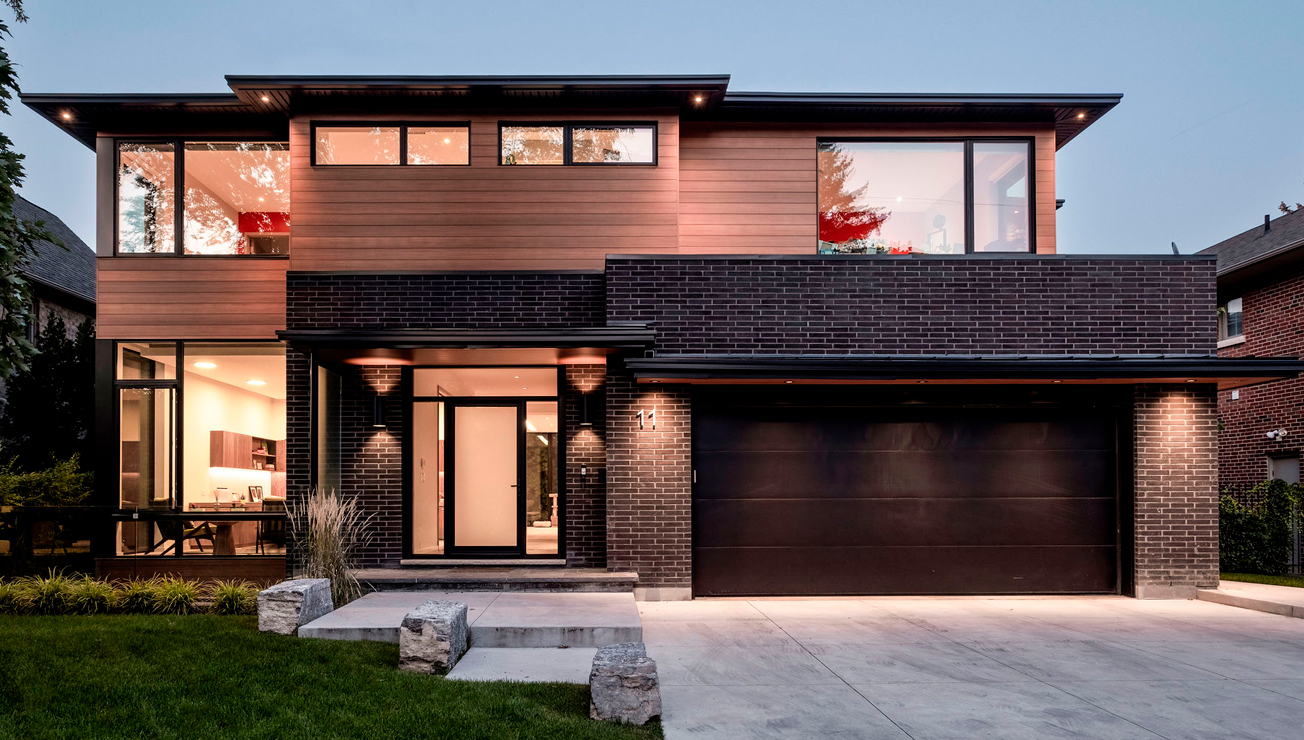
Etobicoke Custom Home – Now moving from the design stage to construction, this residence fuses modern geometry with inviting warmth. It is urban sophistication grounded in craftsmanship.


Etobicoke Custom Home

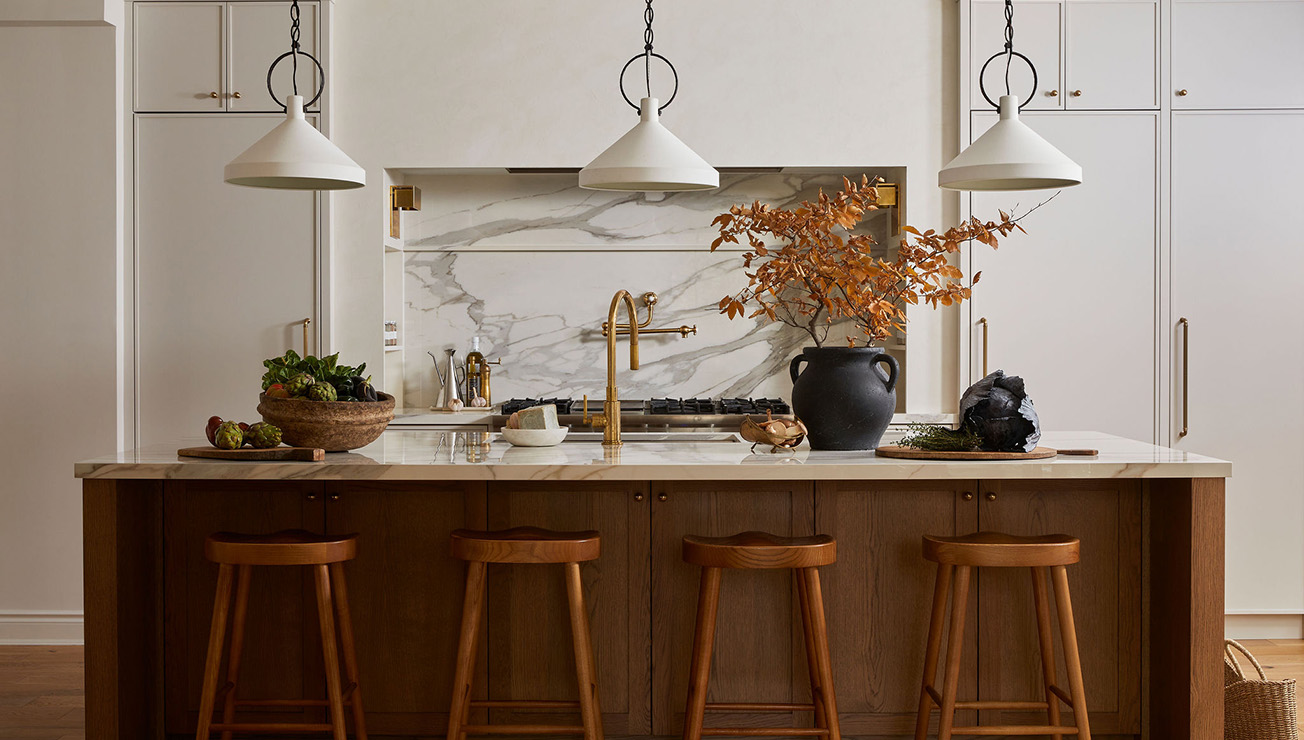
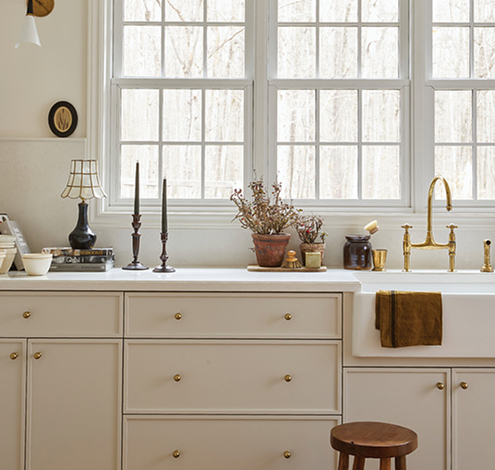
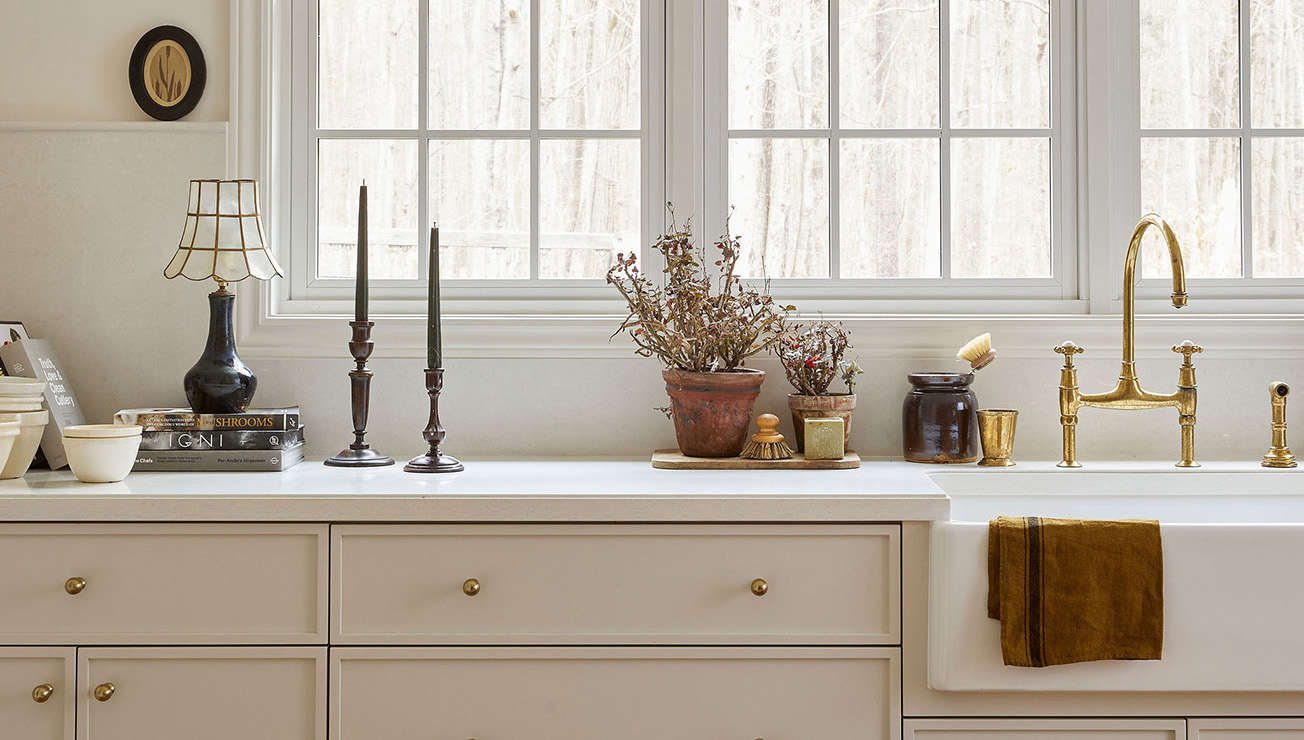
Midhurst Kitchen Renovation – A renovation that became a reinvention. What began as a simple update grew into a transformation of space and feeling. Light oak, quartz, and natural light define this kitchen, designed for connection and crafted for everyday beauty.


Midhurst Dream Kitchen

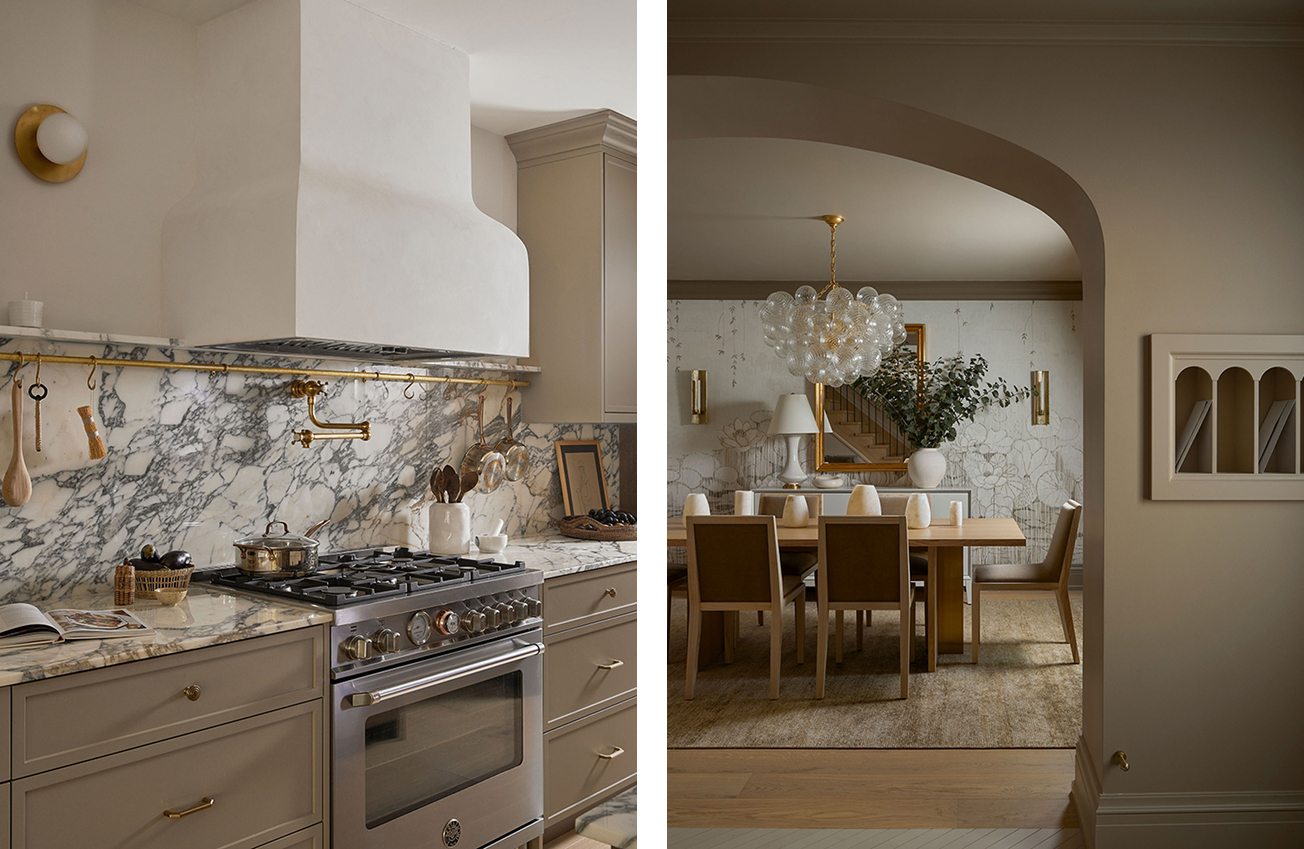
Roncesvalles Home Renovation – In Toronto’s west end, RBA balanced heritage and modernity. Restored brick and millwork meet refined finishes to create a timeless home that feels both rooted and renewed.

Roncesvalles Home Renovation

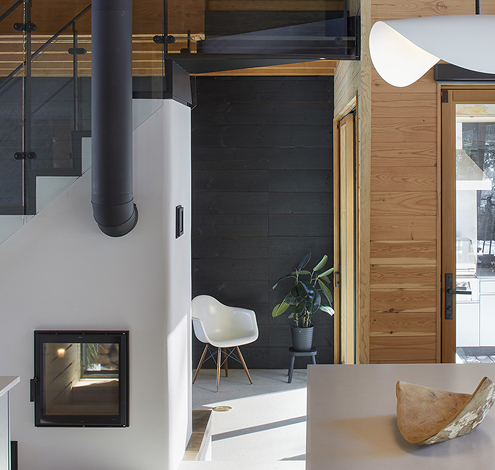
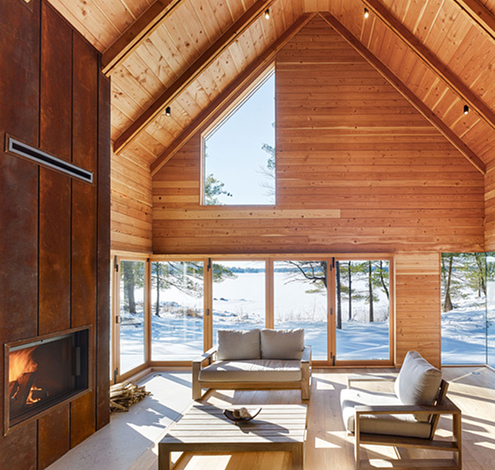
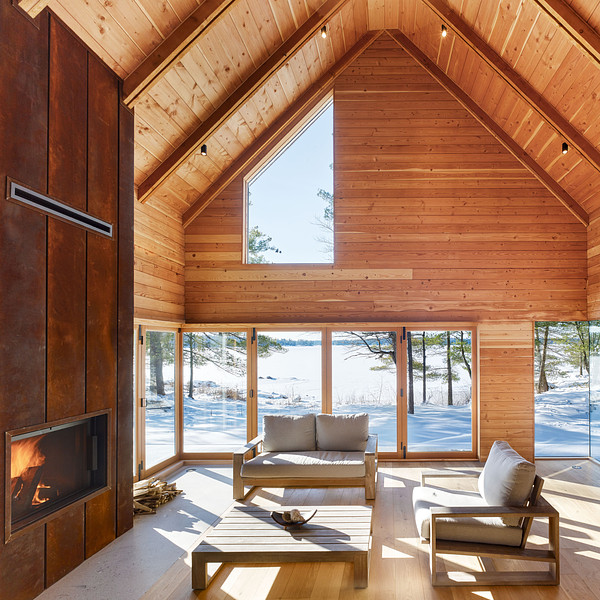
Muskoka Retreat on Mill Lake – A signature Muskoka retreat that blurs the line between architecture and nature. Timber, glass, and stone flow together to frame panoramic views of Mill Lake and capture the calm of lakeside living.


Views of Mill Lake

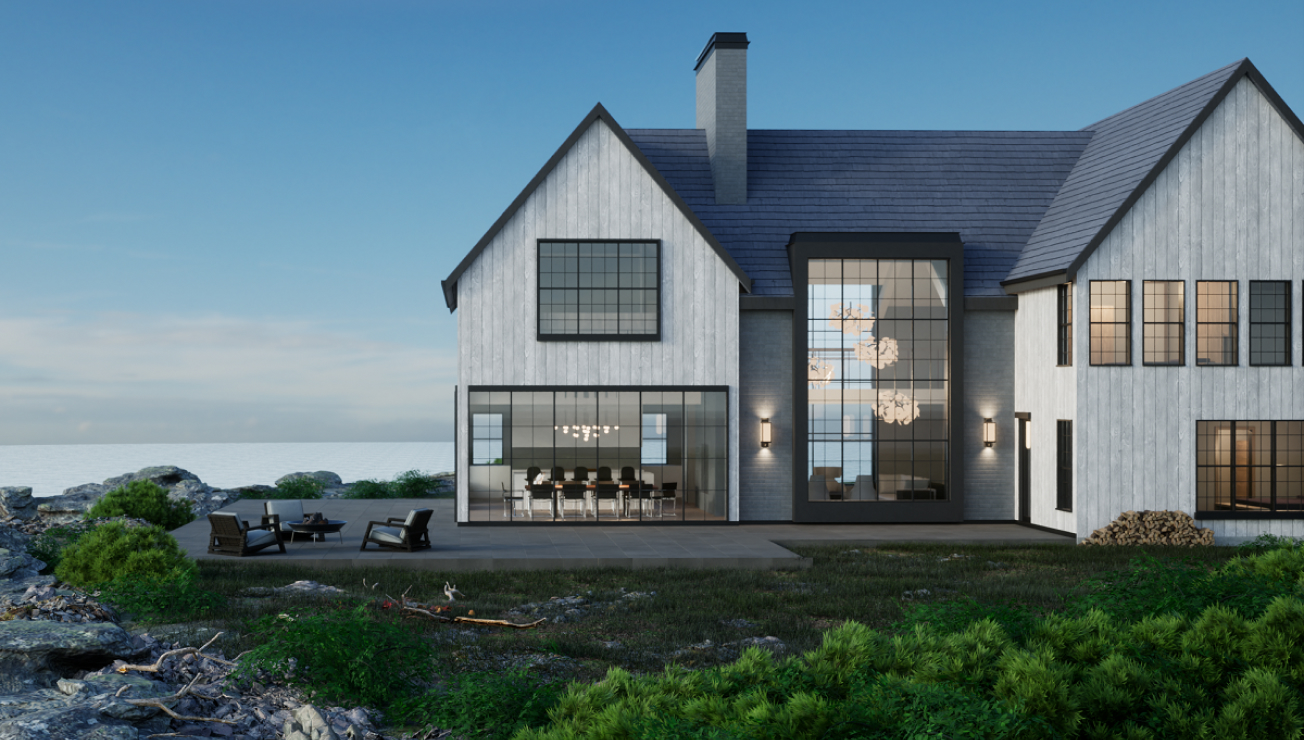
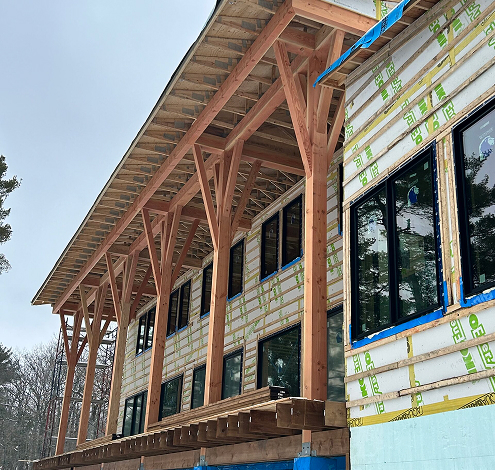
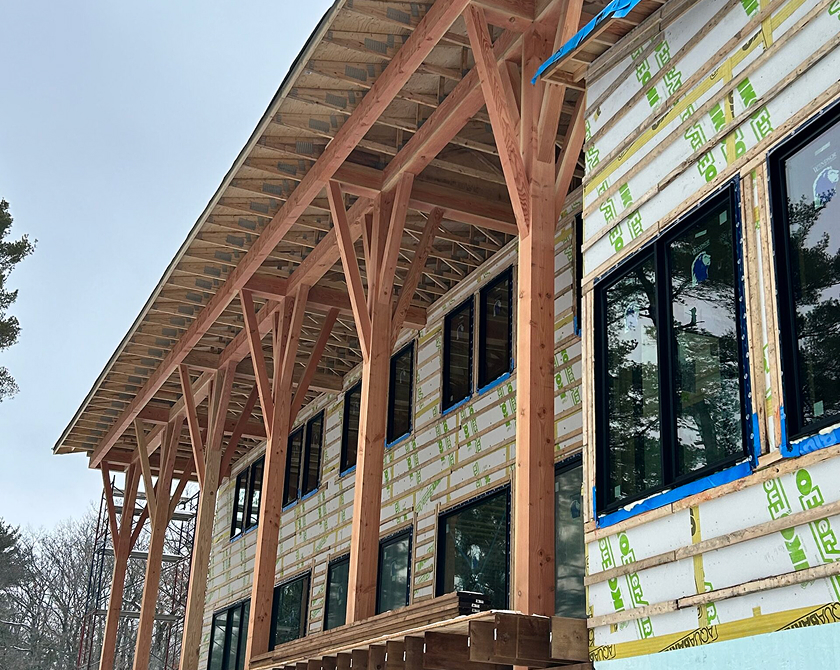
Georgian Bay Family Retreat – Set along the Collingwood shoreline, this in-progress build draws on Scandinavian modernism. Natural limestone, vertical cedar, and wide expanses of glass create a grounded yet serene retreat that reflects RBA’s design-first approach.


Georgian Bay Family Retreat

The Humber Valley Home: Full-Circle Craftsmanship

The Humber Valley Custom Home brings RBA’s story full circle. Located not far from where Rob and Ryan first started building, it represents the culmination of two decades of experience. The design fuses urban sophistication with natural materials, pairing strong geometry with warm, tactile finishes. It is a reflection of RBA’s evolution from raw ambition to refined mastery.

“It is a reminder of how far we have come,” reflects Ryan. “From those early days figuring things out in the garage, to collaborating with some of the best design minds in the country. But the heart of it has not changed. We still build every home like it is our own.”


Humber Valley Custom


Humber Valley Custom


Humber Valley Custom

Built on Relationships

RBA’s commitment to collaboration extends far beyond clients and designers. It is echoed among the trades that bring each project to life. Many of RBA’s partners have worked alongside Rob and Ryan for more than a decade, drawn to their meticulous planning, mutual respect, and shared pursuit of quality.

“Our goal has never been to be the biggest,” says Rob. “We just want to be the best. To build homes and cottages that stand the test of time and relationships that last just as long.”


Ryan Robinson in View of Mill Lake Video

Full Circle

Standing on the dock of their Mill Lake project, Rob and Ryan often reflect on the journey that began decades ago with two friends who simply loved to build. They still approach every project with that same curiosity, creativity, and shared commitment to doing things the right way.

From city streets to lakeside retreats, RBA Projects continues to redefine what it means to build beautifully, proving that when design leads and passion drives, the results speak for themselves.


Ryan (Left) and Rob (Right) reflecting on RBA’s Story at the Views of Mill Lake Project

Toronto Office: 1460 The Queensway Toronto, ON M8Z 1S4 (416) 722-0025 build@rbaprojects.com
North Office: PO Box 495 Bala, ON P0C 1A0 (705) 645-3973 build@rbaprojects.com

What Sets Custom Homes Apart from Pre-Built Options?

When it comes to purchasing a new home, one of the most significant decisions you’ll face is whether to invest in a custom-built home or opt for a pre-built or “production” home.

When it comes to purchasing a new home, one of the most significant decisions you’ll face is whether to invest in a custom-built home or opt for a pre-built or “production” home. Both options have their merits, but understanding what sets custom homes apart from pre-built homes can help you make an informed decision that aligns with your lifestyle, needs, and budget.

In this blog, we’ll explore the key differences between custom homes and pre-built homes, from design flexibility to cost considerations, and how each option may impact your overall homeownership experience.

1. Design Flexibility and Personalization

One of the most significant advantages of building a custom home is the ability to personalize every detail. From the layout and floor plan to the materials, finishes, and even the landscaping, a custom home allows you to create a space that’s uniquely tailored to your preferences.

In a custom build, you have the freedom to choose the number of bedrooms, the size of your kitchen, the style of your bathrooms, and other essential features, all based on your personal tastes and needs. If you have a vision for a home that reflects your lifestyle—whether it’s an open-concept design, a home office, or an expansive main suite—custom homes provide you with the opportunity to bring that vision to life.

On the other hand, pre-built homes generally come with a set range of layouts and designs. While some may offer a degree of customization in terms of finishes, flooring, and colours, the overall structure and design are typically fixed. If you prefer a home that’s an exact reflection of your vision, a custom home is often the better choice.

2. Quality of Materials and Construction

When you build a custom home, you have complete control over the quality of the materials used in construction. From the foundation to the roofing materials, flooring, cabinetry, and everything in between, you can choose high-quality products that suit your tastes and durability standards. Whether you prefer sustainable, eco-friendly materials, luxurious finishes, or a more budget-conscious option, a custom home allows you to make decisions that meet your personal criteria.

In contrast, pre-built homes are typically built with standardized materials that are selected by the builder based on budget, availability, and cost efficiency. While reputable builders may use quality materials, there is less room for customization in a pre-built home. If you have specific preferences for high-end materials or energy-efficient features, a custom home allows you to incorporate those elements without compromise.

3. Location and Lot Selection

Custom homes offer the flexibility to choose the perfect lot for your new home. Whether you’re looking for a plot in a rural area with expansive views, a lot in a vibrant city neighbourhood, or a space that offers privacy and seclusion, building a custom home gives you the ability to select the ideal location. You can also work with your builder to optimize your home’s design to suit the natural landscape, taking advantage of sunlight, views, or terrain features that enhance your living experience.

Pre-built homes, on the other hand, are typically located in established neighbourhoods or subdivisions. While this can offer the convenience of proximity to schools, shops, and amenities, it may limit your options in terms of location. Additionally, you may not have as much flexibility to adjust the home’s design to take full advantage of the lot’s characteristics.

4. Timeframe and Speed of Construction

One of the key differences between custom homes and pre-built homes is the construction timeline. Building a custom home from scratch can take several months or even years, depending on the complexity of the design and the availability of materials. Custom homes require careful planning, coordination with architects and contractors, and the approval of permits, which can all contribute to a longer timeframe.

Pre-built homes, on the other hand, are ready for purchase much sooner. In some cases, homes may be available for immediate move-in, or they may be in various stages of construction. If you’re looking for a faster, hassle-free move, a pre-built home may be the way to go. However, while the speed of purchase is advantageous, you may have to make compromises on your preferences for design, layout, and finishes.

5. Cost Considerations

When it comes to cost, custom homes tend to be more expensive than pre-built options. The cost of a custom home is influenced by several factors, including the complexity of the design, the quality of materials, labour costs, and the size of the home. Additionally, custom homes require architectural fees, permitting, and sometimes land preparation, all of which can add up quickly.

Pre-built homes typically come with a more predictable price tag since the builder is working with pre-designed plans and standard materials. Builders can often purchase materials in bulk and streamline the construction process, making pre-built homes more affordable for many buyers. However, keep in mind that while the upfront cost of a pre-built home may be lower, you may face additional costs down the road if the home doesn’t meet your long-term needs or if you plan to renovate it to suit your preferences.

6. Energy Efficiency and Sustainability

Sustainability is an important consideration for many homebuyers, and custom homes offer the opportunity to incorporate energy-efficient features from the outset. You can choose energy-efficient windows, insulation, HVAC systems, and appliances, all of which can help reduce your environmental impact and lower utility bills over time. Many custom builders also offer eco-friendly construction practices, such as using sustainable building materials, installing solar panels, or designing homes with passive heating and cooling features.

Pre-built homes may or may not include energy-efficient upgrades, depending on the builder and the model you choose. While some production homes may offer “green” features as part of their standard offerings, they are often not as customizable as a custom home. If you’re interested in building an environmentally conscious home, a custom build offers more opportunities to achieve your sustainability goals.

7. Long-Term Value and Investment

Custom homes can offer significant long-term value, particularly if you build in a desirable location and incorporate high-quality materials that are built to last. Custom homes are unique, and because they are designed to suit your specific needs, they may be better equipped to meet your family’s changing requirements over time. Furthermore, custom homes that are designed with longevity and energy efficiency in mind can save you money on maintenance and utilities in the future.

While pre-built homes can also hold value over time, their resale potential may be influenced by the general demand for that specific model or layout in the local market. Custom homes tend to appeal to a narrower pool of buyers, but their uniqueness and high-end features can make them stand out in competitive markets.

8. Emotional Satisfaction and Connection

One of the intangible benefits of building a custom home is the emotional satisfaction that comes with knowing your home is truly one-of-a-kind. Custom homes allow you to make decisions every step of the way, from choosing the floor plan to selecting finishes, ensuring that the home is an authentic reflection of your personality and lifestyle. The ability to design your home with your own vision and preferences in mind can create a deeper connection to the space, making it feel truly “yours” in a way that pre-built homes may not.

Pre-built homes, while functional and often well-designed, may not evoke the same level of emotional connection since they are built according to a pre-designed plan that may not perfectly align with your personal taste. While some homeowners may find satisfaction in the convenience and practicality of a pre-built home, others may prefer the sense of ownership and creativity that comes with a custom build.

Choosing between a custom home and a pre-built option depends on your priorities, budget, and long-term goals. Custom homes offer unparalleled flexibility, allowing you to design a space that perfectly fits your needs and preferences, but they come with a higher price tag and a longer timeline. Pre-built homes, on the other hand, are typically more affordable and quicker to move into, though they may require compromises in terms of design and customization.

By carefully considering the differences between these two options, you can make an informed decision about which type of home will best meet your needs and help you create the living space you’ve always dreamed of.

The Importance of Building Permits and How We Handle Them

When embarking on a construction or renovation project, one of the first and most crucial steps is obtaining the proper building permits.

When embarking on a construction or renovation project, one of the first and most crucial steps is obtaining the proper building permits. While it might seem like just another bureaucratic hurdle, building permits are essential for ensuring that your project complies with local building codes, safety regulations, and zoning laws. Without them, you risk fines, project delays, or even having to tear down what you’ve built.

In this blog post, we’ll explore the importance of building permits, what they entail, and how our team handles them to ensure a smooth and compliant construction process.

What is a Building Permit?

A building permit is an official approval issued by your local government or municipality that allows you to proceed with construction, renovation, or alteration work on your property. This permit is designed to ensure that the proposed work complies with local codes and regulations, which are put in place to protect the safety, health, and well-being of the public.

Permits can be required for a wide variety of work, from major home renovations to smaller projects like adding a deck, finishing a basement, or installing new plumbing. The types of permits required will vary depending on the scope of your project and where you live.

Why Are Building Permits Important?

  1. Safety Compliance One primary reason building permits are necessary is to ensure that all construction work meets safety standards. These standards are set out in building codes, which address everything from structural integrity to fire safety. A permit guarantees that your construction is built to code and that any electrical, plumbing, or mechanical work is performed safely.
  2. Protecting Property Value A well-built structure that adheres to local codes is more likely to maintain or increase the value of your property. Conversely, unauthorized or non-compliant work can devalue your property, as future buyers or appraisers may see it as a risk or an unapproved alteration. Additionally, without permits, you may face issues when it comes time to sell the property, as potential buyers or lenders could require documentation proving that the work was done legally.
  3. Avoiding Fines and Penalties If you proceed with construction or renovation without the necessary permits, you risk facing significant fines or penalties. Local authorities can issue citations, and in extreme cases, you may be required to undo the work you’ve completed. In some areas, a project might be halted entirely until the proper permits are obtained, which can lead to costly delays.
  4. Insurance and Liability Having the correct permits in place ensures that your insurance policy covers your work. If something goes wrong during or after construction, insurance companies typically require proof that the work was done to code and in compliance with local regulations. Without a permit, you could find yourself in a difficult situation where your insurance claim is denied, leaving you financially responsible for any damages.
  5. Environmental and Zoning Considerations Permits also ensure that your project complies with zoning laws, environmental regulations, and land use restrictions. Zoning laws dictate how properties can be used and where certain types of buildings or additions can be constructed. For example, you may be limited in terms of the size of an addition or the height of a building, depending on the area’s zoning code. Permits ensure that your project does not violate these rules and help preserve the neighbourhood’s character and integrity.

Common Types of Building Permits

The specific permits required will vary based on the scope of your project, but common types of building permits include:

  • Building Permit: Required for most major construction projects, including new builds, home additions, and structural changes.
  • Electrical Permit: Needed for any electrical work, such as rewiring, installing new circuits, or adding light fixtures.
  • Plumbing Permit: This permit is required when installing or altering plumbing systems, such as adding new pipes, installing appliances, or relocating existing plumbing.
  • Mechanical Permit: This permit is necessary for installing or modifying HVAC (heating, ventilation, and air conditioning) systems.
  • Demolition Permit: You’ll need a demolition permit if you plan to tear down part or all of a structure.
  • Occupancy Permit: This permit is often required when you are moving into a newly constructed or significantly renovated building to ensure it meets safety and occupancy requirements.

How We Handle Building Permits

At our company, we understand the complexities and importance of building permits, which is why we manage the entire permitting process for our clients to ensure their projects are compliant with all local regulations. Here’s how we handle building permits from start to finish:

  1. Initial Consultation and Assessment During our initial consultation, we assess the scope of the project and determine which permits will be required. We take the time to listen to your vision for the project and help you understand the specific permits you’ll need. Our team is familiar with the local building codes and regulations, so we can accurately identify which permits are necessary.
  2. Design and Planning Before submitting a permit application, we ensure that all plans and designs comply with local zoning laws, building codes, and safety regulations. Our team works with licensed architects and engineers to ensure that the proposed design meets all requirements. If necessary, we’ll make adjustments to the plans to align with local codes, ensuring a smoother approval process.
  3. Permit Application Process Once the design is finalized, we handle the entire application process, including submitting detailed plans, filling out paperwork, and paying the required fees. We have extensive experience working with local municipalities and understand the ins and outs of the permitting process. Our team is skilled at managing the paperwork and ensuring that all documentation is complete and accurate to avoid delays.
  4. Permit Review and Approval After submitting the permit application, the local government will review the plans and issue either an approval or a request for revisions. If revisions are required, we will work closely with the appropriate authorities to address any concerns and make necessary adjustments. We will stay on top of the approval process and provide you with regular updates so you know exactly where your project stands.
  5. Inspections and Compliance Once the permits are approved and construction begins, inspections are often required at various stages of the project to ensure compliance with the approved plans and safety regulations. We coordinate all inspections and ensure that the work meets the required standards. Our team will be on-site to make sure that every aspect of the project is in line with the permit requirements.
  6. Final Approvals and Occupancy After the project is completed, we schedule a final inspection to ensure everything meets the building code and permit requirements. Once the inspection is passed, we will secure the final approval and occupancy permit, allowing you to move forward with your completed project. We handle all the final steps to ensure that your project is fully compliant and ready for use.

Building permits are an essential part of the construction process, ensuring that your project is safe, legal, and up to code. While the permitting process can seem like a daunting task, having a knowledgeable team manage it can save you time, money, and headaches.

At our company, we handle everything from the initial consultation to final approval to take the stress out of obtaining permits. We’re committed to ensuring that your project complies with all necessary regulations so you can focus on creating your dream space with peace of mind. Whether you’re building from the ground up or renovating an existing structure, we’ve got you covered when it comes to obtaining and managing building permits.

Picking the Ideal Layout to Fit Your Lifestyle

When building or renovating a home, the layout is one of the most important aspects to consider.

When building or renovating a home, the layout is one of the most important aspects to consider. The layout affects everything from the flow of movement between rooms to how functional and comfortable your space feels. A well-designed layout can maximize your space’s potential, accommodate your specific needs, and create a home that works with your lifestyle. In this post, we’ll explore key considerations and popular layout options to help you design a home that fits perfectly with your lifestyle.

The first step in choosing the right layout is understanding your lifestyle. Do you often host gatherings or prefer a quiet, private space? Are you working from home, or do you need a dedicated area for hobbies? These questions can help guide the design of your space. For example, if you love entertaining, an open-concept layout with a spacious kitchen, living, and dining area might be ideal, allowing guests to mingle freely. On the other hand, if privacy is a priority, you may prefer a more traditional layout with clearly defined rooms. It’s also important to consider your family dynamics. Growing families may need multiple bedrooms, a playroom, and lots of storage, while empty nesters might opt for a more compact, low-maintenance layout. Multigenerational households might require separate living areas, such as a guest suite or an in-law suite, to provide autonomy while still being under one roof.

Another crucial factor in choosing the perfect layout is planning for the future. Your needs may change over time, and your home should adapt accordingly. For example, a layout that works for a young couple today may need adjustments when children come along. Similarly, if you’re planning to age in place, a single-story layout or wider hallways might be more suitable. Your home should be designed to grow with you, whether that means adding space for a growing family or ensuring that the layout remains functional and accessible as you age.

The size and shape of your property will also play a role in determining your layout. A larger lot allows for more flexibility in design, whether you want expansive outdoor spaces or multiple floors to take advantage of the land. Conversely, smaller or narrower lots may require creative, multi-story designs that maximize space vertically. If you have a particularly scenic lot, such as one with a view of a park or the ocean, you may want to orient your key living areas to capture as much natural light and those views as possible.

Speaking of natural light, maximizing light and ventilation is another important consideration when choosing your layout. Rooms should be designed to allow light to flood in, creating a bright and inviting atmosphere. Key areas like the kitchen, living room, and bedrooms should be placed in locations that capture the most sunlight, and windows should be positioned to promote airflow throughout the home. The more open and airy your layout is, the more you can take advantage of these natural elements, contributing to both the comfort and health of your living environment.

When thinking about your home’s layout, it’s essential to consider different types of designs. One popular option is the open-concept layout, which eliminates walls between rooms to create a sense of openness and connection. This design works well for those who entertain often or have families with young children. The ability to cook, dine, and socialize in the same space makes open-concept homes a favourite for many. However, if you value privacy and quiet, a traditional layout with separate, more defined spaces might be a better fit. Traditional layouts offer a sense of separation between rooms, which can be ideal for those who prefer clear boundaries between spaces.

Single-story homes are another layout option, offering easy accessibility and convenience. This design is particularly well-suited for families with young children or elderly members who may have difficulty navigating stairs. Single-story homes also provide a smooth transition between indoor and outdoor living spaces, allowing for easy access to patios, gardens, or decks. For those with smaller lots, multi-story layouts can be a great option to maximize square footage. Building vertically can provide more usable space while preserving valuable outdoor areas. Multi-story homes are also ideal for creating separate living zones, such as a main suite on the top floor for privacy.

Each area of your home can be tailored to your unique lifestyle needs. The living room, for example, can be designed as an open, social area for entertaining or as a cozy, more private space for quiet nights. The kitchen is another key area that plays a significant role in the layout. If you love cooking and entertaining, a kitchen island with plenty of counter space and an open design might be just what you need. Alternatively, if you prefer a more traditional cooking environment, a closed kitchen that separates cooking from the rest of the house may be more appropriate. For bedrooms, it’s essential to place the primary bedroom away from high-traffic areas to ensure privacy and quiet, while children’s bedrooms can be grouped near one another for convenience. Bathrooms, too, should be strategically placed—perhaps en-suite bathrooms for master bedrooms or a powder room near the living areas for guests.

A dedicated home office has become essential for many people, especially with the rise of remote work. When planning your layout, it’s crucial to allocate space for a home office that allows for productivity while minimizing distractions. The office should be located in a quiet, well-lit environment. Many homeowners also find value in integrating outdoor spaces into their layout. Whether it’s a large deck for entertaining, a garden retreat for relaxation, or a pool for family fun, outdoor spaces can enhance the livability of your home and provide a seamless connection between nature and indoor comfort.

While it’s important to focus on functionality, there are common mistakes to avoid when designing a home layout. One of the most common is overlooking storage needs. Ample storage is essential for maintaining an organized and clutter-free home, so make sure to incorporate built-in closets, cabinets, and other storage solutions into your design. Another mistake is not thinking through the flow of the layout. It’s important to consider how people will move through your home. Poor flow can make the space feel awkward or inefficient, so ensure there is a logical progression between rooms. Additionally, it’s easy to get caught up in the latest trends, but it’s crucial to prioritize your personal preferences and needs over design fads. Remember, what’s trendy today may not suit your lifestyle in the long run. Natural light is also key to a home’s ambiance. Dark rooms can feel uninviting, so make sure your layout allows for plenty of windows and access to outdoor spaces.

Once you’ve narrowed down your layout preferences, it’s time to take action. Start by creating a wish list of must-haves and nice-to-haves, and then work with a professional architect, designer, or builder to bring your ideas to life. Tools like floor plans and 3D renderings can help you visualize your layout and better understand how the space will function. Don’t be afraid to ask for feedback from friends, family, or even your builder, as they can offer helpful insights. You may also want to visit model homes or use virtual reality to get a feel for the design before construction begins.

In conclusion, choosing the perfect layout for your home is a deeply personal process that requires thoughtful planning and consideration. By taking the time to reflect on your needs, lifestyle, and future goals, you can create a space that not only fits your current lifestyle but also adapts to changes down the road. The right layout enhances your home’s functionality, maximizes its potential, and ultimately contributes to your comfort and happiness. If you’re ready to embark on this journey, consult with a professional to help bring your vision to life. After all, your home should be a reflection of who you are and the life you want to lead.

Open-Concept Living: Why It’s Here to Stay

In recent years, open-concept living has become the hallmark of modern home design.

In recent years, open-concept living has become the hallmark of modern home design. Characterized by expansive, flowing spaces where the kitchen, dining, and living areas seamlessly blend into one another, this layout offers both aesthetic and practical benefits that have resonated with homeowners around the world. As we move forward, open-concept living is no longer just a passing trend—it has become a mainstay in home design, and for good reason.

In this blog post, we’ll explore why open-concept living is here to stay and the advantages that make this layout a favourite among homeowners and designers alike.

The Shift Towards Open Spaces

Open-concept living emerged as a response to the traditional, compartmentalized layouts of earlier decades, where rooms were typically designed for specific purposes—kitchens were separate from living rooms, and formal dining areas were isolated from the rest of the home. While these segmented spaces served their time, the demand for more open, flexible layouts began to rise in the 20th century, especially as lifestyles evolved.

With the popularity of minimalist design and an increasing emphasis on maximizing space, the open-concept layout offered a practical solution. It removed the physical and visual barriers between rooms, allowing for a more connected, airy, and spacious living experience. Today, the open-concept home is seen as a symbol of modern living, offering a range of benefits that make it an enduring feature in contemporary homes.

1. Enhanced Natural Light

One of the primary reasons open-concept living is so appealing is its ability to bring in more natural light. By eliminating walls and barriers between rooms, natural light can flow freely throughout the space, creating a bright and welcoming atmosphere. Large windows and glass doors are often incorporated into open-concept homes, further enhancing the sense of openness and allowing light to reach deeper into the home.
With more natural light, rooms feel larger and more inviting, which can be especially important for homes in urban areas or spaces with limited square footage. A home bathed in sunlight not only feels more pleasant but has numerous psychological benefits, including improved mood and increased productivity.

2. Greater Sense of Space

Open-concept living gives the illusion of more space, even in homes with a smaller footprint. By combining rooms like the kitchen, dining, and living areas into a single cohesive space, the home feels larger and more fluid. The absence of walls or doorways creates a sense of continuity that makes the home feel less cramped, which is particularly beneficial in urban settings or homes with limited square footage.

This sense of openness can also contribute to a greater understanding of freedom and flexibility within the home. The boundaries between spaces are less defined, allowing homeowners to arrange and design the space to suit their unique needs and lifestyles. Whether you’re hosting a party, cooking dinner, or simply relaxing, an open-concept design offers the freedom to move about without being confined to individual rooms.

3. Improved Social Interaction

Open-concept layouts are perfect for socializing and entertaining. In a traditional layout, the kitchen and living areas were often isolated, which made it challenging for hosts to interact with guests while preparing meals. With an open-concept design, the kitchen seamlessly flows into the living and dining areas, allowing for better communication and interaction between family members and guests.

This design is especially beneficial for families and those who love to entertain. Whether it’s cooking a meal, helping kids with homework, or hosting a dinner party, an open layout encourages people to gather and interact in a central space. The lack of physical barriers creates a more inclusive environment, where everyone can be part of the action without feeling isolated in separate rooms.

4. Flexibility and Functionality

One of the greatest benefits of open-concept living is its flexibility. This layout allows for multi functional spaces that can be adapted to various needs over time. For example, the kitchen, dining, and living room can serve as an informal gathering space during the day and transform into a cozy movie or game night area in the evening.

Open-concept spaces can also be customized to suit your family’s changing needs. As children grow or family dynamics change, the layout can evolve to accommodate new purposes, such as creating a home office, study nook, or additional seating areas. The lack of walls allows homeowners to experiment with how spaces are used, making it a versatile choice for those who prioritize functionality.

In addition, open spaces make it easier to incorporate multi-purpose furniture—such as storage ottomans, foldable tables, or modular seating—that can be rearranged as needed. This kind of flexibility is especially valuable for people who want to maximize their space without sacrificing style or comfort.

5. Better Flow and Ease of Movement

Open-concept living also allows for better flow between spaces. There’s no need to navigate through multiple doorways or corridors to get from one room to another, which makes the entire house feel more connected and easier to navigate. This is particularly useful in homes with multiple occupants, where ease of movement between rooms can be a significant advantage.

The lack of physical walls also provides a sense of continuity and fluidity, making the transition from one activity to another feel more natural. For example, someone cooking dinner in the kitchen can easily chat with others in the living or dining room without feeling disconnected from the social aspect of the home.

This ease of movement can also be particularly beneficial for families with young children or elderly members. In an open-concept home, caregivers can easily monitor kids while cooking or help older family members move around the home without worrying about navigating through separate rooms.

6. Aesthetic Appeal

Another reason for its popularity is the aesthetic of open-concept living. The clean, flowing lines of a large, open space create a modern, minimalist look that many people find appealing. This design maximizes the space’s potential, allowing homeowners to create a harmonious, cohesive environment that feels balanced and uncluttered.

In addition, open spaces offer a greater opportunity to create focal points and showcase design elements such as statement furniture, art pieces, or unique lighting fixtures. Since the space is uninterrupted by walls, these design elements have room to shine, contributing to a more curated and visually interesting home.

For those who appreciate a more contemporary or minimalist style, open-concept living aligns perfectly with these design philosophies, creating a stylish, uncluttered home environment.

7. Increased Home Value

Open-concept living is not just a trend; it’s a selling point. Homes with open-concept layouts are in high demand, especially among buyers who want modern, spacious living environments. The expansive feel of an open-concept design adds significant value to the home, both in terms of market appeal and overall livability.

Homes with open layouts often feel more current and functional, which can make them more attractive to potential buyers. Additionally, the versatile nature of open-concept spaces appeals to a wide range of tastes and lifestyles, making it easier to sell a home in a competitive market.

Open-concept living is more than just a passing trend—it’s a design philosophy that offers a wide range of benefits, from increased natural light and a greater sense of space to improved social interaction and flexible functionality. As homes continue to evolve, the open-concept layout is here to stay, offering a modern, cohesive way of living that adapts to the needs of contemporary families.

Whether you’re renovating your current home or building a new one, an open-concept layout provides a stylish and practical foundation for creating a space that enhances both your lifestyle and the overall feel of your home. By removing barriers and creating flow, open-concept living fosters a sense of connection, comfort, and convenience—making it a design trend that will continue to be a favourite for years to come.

Maximizing Small Spaces: Smart Renovation Ideas

Living in a small space presents unique challenges, but with the right approach, you can transform even the tiniest home into a stylish, functional oasis.

Living in a small space presents unique challenges, but with the right approach, you can transform even the tiniest home into a stylish, functional oasis. Whether you’re in a city apartment, a compact house, or a cozy condo, maximizing every inch of space is key to creating a home that feels spacious and inviting. Smart renovations and design strategies can make a world of difference, turning cramped corners into areas that serve both form and function.

In this blog, we’ll explore clever renovation ideas, from multi-functional furniture to clever storage solutions, that can help you make the most of your small space.

1. Open Up the Layout

One of the most effective ways to make a small space feel larger is by creating an open-concept layout. Removing unnecessary walls and barriers helps create a sense of flow and continuity between different areas of the home. In smaller homes, closed-off rooms can make the space feel more cramped and isolated.

If you have a traditional living room, dining room, or kitchen arrangement with walls dividing each area, consider tearing down non-load-bearing walls to create a more open floor plan. This can be especially beneficial for areas like the kitchen and living room, where the flow between spaces is crucial for both functionality and aesthetics. An open layout not only allows for better traffic flow but also makes the space feel airier and more connected.

2. Use Vertical Space

In small spaces, it’s essential to think vertically as well as horizontally. Utilizing vertical space for storage, display, and even design can free up precious square footage and reduce clutter. Tall shelves, cabinets, and storage units can provide much-needed space for books, decorative objects, or kitchen essentials without occupying floor space.

For example, in the kitchen, opt for cabinetry that reaches all the way to the ceiling to maximize storage. In living areas or bedrooms, consider tall bookcases or wall-mounted shelves to store items or showcase artwork. Hanging hooks or racks on walls or doors can also help you use vertical space for coats, bags, or even kitchen utensils.

3. Invest in Multi-Functional Furniture

Furniture that serves multiple purposes is a game-changer in small spaces. Invest in pieces that can easily transform to meet your needs without taking up additional space. For example, a sofa that doubles as a pull-out bed, a coffee table with built-in storage, or a dining table that folds down when not in use can make your space more versatile and functional.

Another great multi-functional piece is a foldable desk or wall-mounted table that can be stowed away when not in use. This is particularly useful in small home offices, kitchens, or living rooms where space is at a premium. Murphy beds and convertible furniture are also excellent choices for maximizing a small bedroom or guest room.

4. Embrace Light and Airy Design

Light, bright spaces always feel larger than they actually are. When renovating a small space, consider design choices that will enhance natural light and create an airy feel. If possible, incorporate larger windows or even sliding glass doors to let in more light. You can also opt for translucent or frosted window treatments that allow light to flow in while maintaining privacy.

For walls and furniture, stick to light or neutral colours like whites, creams, soft greys, and pastels. These hues reflect light and make the space feel open and inviting. Consider using mirrors to amplify natural light and create the illusion of depth. Mirrors can be strategically placed to reflect light from windows and brighten up dark corners.

Additionally, light-coloured flooring, such as pale hardwood or light tile, can make the room feel more expansive. Avoid heavy or dark materials that can make the space feel cramped or closed off.

5. Create Built-In Storage Solutions

Storage is often a challenge in small spaces, but custom-built or built-in storage solutions can help you make the most of every nook and cranny. Built-in shelving, cabinets, or benches can be designed to seamlessly integrate into the room’s existing structure, reducing the need for bulky furniture and offering a streamlined look.

For example, consider built-in under-bed storage or a headboard with integrated shelving in a small bedroom. In living rooms or bathrooms, built-in cabinets can provide hidden storage for everything from electronics to toiletries. Even small spaces like entryways and hallways can benefit from custom-built storage solutions, such as wall-mounted racks for coats, shoes, or keys.

6. Maximize the Use of Every Room

In smaller homes, every room should serve a clear purpose, and in many cases, rooms can serve multiple functions. For example, a living room can double as a home office, or a dining room can be transformed into a study area when not in use. The key is choosing the right furniture and layout to accommodate dual purposes.

If you have a small bedroom, consider using the space as both a sleeping area and a home office by incorporating a compact desk and chair that won’t overwhelm the room. Foldable or modular furniture is ideal for rooms that serve more than one purpose, as it can be easily rearranged to suit your needs.

In a small apartment, think creatively about how you can adapt each room’s function. A guest room, for example, can double as a workout space, and a kitchen can incorporate a breakfast nook or even a small home bar area.

7. Incorporate Smart Technology

Smart technology can also help maximize small spaces. By incorporating home automation and smart appliances, you can streamline daily tasks and make your home more efficient. For example, a smart thermostat can optimize heating and cooling, reducing the need for bulky equipment. Smart lighting systems can be controlled remotely and set to adjust automatically, which not only helps with energy efficiency but also eliminates the need for multiple lamps and fixtures.

Additionally, consider using compact, smart appliances in your kitchen, such as a stackable washer and dryer, a compact dishwasher, or an over-the-range microwave, which can save valuable counter and cabinet space.

8. Go for Minimalism in Design

Minimalist design works wonders in small spaces. By reducing clutter and keeping the decor simple, you can create a serene, spacious environment. Embrace a “less is more” approach by choosing clean lines, open shelving, and understated decor. This doesn’t mean your space has to be bare—focus on incorporating a few high-quality, functional items that serve multiple purposes rather than filling the space with excess.

Storage can also contribute to a minimalist design. Built-in storage or smart storage solutions allow you to store items out of sight while keeping the space organized and tidy. When it comes to furniture, opt for sleek, modern pieces with simple silhouettes to avoid overwhelming the room with bulky or overly ornate items.

9. Use Sliding Doors

In small spaces, doors can take up valuable square footage when they swing open, particularly in tight areas like bathrooms, bedrooms, and closets. Consider replacing traditional doors with sliding doors, which open without requiring additional space. This is an especially great option for closets, bathrooms, or even between rooms in an open-concept space.

Sliding doors also provide an opportunity to use glass panels or frosted glass for a sleek, modern look that still allows light to pass through. They’re perfect for creating a sense of openness while maintaining privacy where needed.

Maximizing small spaces is all about making smart, strategic decisions that enhance both functionality and style. By opening up the layout, using vertical space, investing in multi-functional furniture, and incorporating clever storage solutions, you can create a home that feels spacious, organized, and tailored to your needs. Whether you’re renovating an apartment or downsizing your home, these ideas will help you make the most of every square foot and turn your small space into a place you’ll love to live in.

Luxury Homes: Features That Elevate Your Living Experience

When it comes to luxury homes, it’s not just about the price tag; it’s about the experience.

When it comes to luxury homes, it’s not just about the price tag; it’s about the experience. A luxury home goes beyond offering a comfortable living space—it’s designed to provide a lifestyle of convenience, beauty, and exceptional quality. From high-end finishes to innovative technologies, these homes are filled with features that elevate your everyday living and create an atmosphere of exclusivity. In this blog, we’ll explore the key features that make luxury homes truly extraordinary and how they transform a house into a dream home.

1. Expansive and Open Floor Plans

One of the hallmark features of a luxury home is a spacious, open floor plan that promotes flow and connection between rooms. Large, open spaces create an airy and inviting atmosphere, allowing for flexible use of space while maintaining a sense of openness. Whether it’s the living room seamlessly flowing into the dining area or a kitchen that transitions effortlessly into the family room, these layouts foster a sense of harmony and comfort. Expansive floor plans also offer the freedom to create grand, multifunctional spaces—perfect for entertaining, family gatherings, or quiet relaxation.

2. Gourmet Kitchens with High-End Appliances

The kitchen is often referred to as the heart of the home, and in luxury properties, it becomes a culinary masterpiece. Gourmet kitchens are equipped with top-of-the-line appliances, such as Sub-Zero refrigerators, Wolf ranges, and Miele dishwashers, ensuring that every cooking experience is a delight. In addition to high-end appliances, these kitchens often feature custom cabinetry, oversized islands with premium countertops like marble or quartz, and expansive storage options. The result is a space that not only looks stunning but is designed to make meal prep and entertaining a breeze.

3. Spa-Like Bathrooms

Luxury homes take the concept of relaxation to the next level with spa-like bathrooms. These bathrooms are designed to provide a serene, rejuvenating experience. Features such as freestanding soaking tubs, rainfall showers, and steam rooms offer a sanctuary-like ambiance. Heated floors, high-end fixtures, and double vanities enhance both the aesthetics and comfort of the space. Large windows or skylights allow natural light to flood the room, creating a peaceful retreat. The use of premium materials like marble, granite, and custom tiles elevates the bathroom to a level of luxury and sophistication.

4. Smart Home Technology

One of the defining features of modern luxury homes is the integration of smart home technology. Automated systems allow homeowners to control lighting, climate, security, and entertainment systems with ease, all from their smartphones or voice-activated assistants. Smart thermostats ensure the home is always at the perfect temperature, while advanced security systems provide peace of mind with features like surveillance cameras, motion sensors, and remote monitoring. Voice-activated devices can adjust music, lighting, or even window shades, creating an environment that caters to your every whim. In a luxury home, the technology works seamlessly to make daily life more convenient, efficient, and secure.

5. Custom Design Elements and High-End Finishes

Luxury homes are defined by their attention to detail, and custom design elements are a key part of this. From bespoke cabinetry to intricate woodwork, every aspect of a luxury home is designed with precision and care. High-end finishes, such as polished hardwood floors, stone countertops, and designer fixtures, add layers of richness and elegance. Custom lighting, such as chandeliers or recessed LED strips, enhances the ambiance and highlights the home’s architectural beauty. These unique design features are what set luxury homes apart from standard properties, offering a truly personalized touch that reflects the homeowner’s taste and style.

6. Expansive Outdoor Living Spaces

In luxury homes, outdoor living spaces are just as important as the interiors. These homes often feature expansive patios, decks, and balconies designed to enhance the connection between indoors and outdoors. Outdoor kitchens with built-in grills, pizza ovens, and refrigeration allow for seamless dining and entertaining, while fire pits or outdoor fireplaces offer cozy settings for evening gatherings. Pools, hot tubs, and even whole outdoor spas are common in luxury homes, providing a resort-like atmosphere right in your own backyard. Well-designed landscaping with lush gardens, water features, and custom lighting helps to create a peaceful, private oasis that feels like an extension of the home itself.

7. Home Theatres and Entertainment Rooms

Luxury homes cater to the entertainment needs of their owners by incorporating high-end media rooms and home theatres. These spaces are equipped with the latest audiovisual technology, including large projection screens, surround sound systems and plush seating designed for the ultimate viewing experience. Soundproofing ensures that these rooms provide the perfect escape from the outside world, allowing you to enjoy movies, music, or gaming in total comfort and privacy. Additionally, many luxury homes feature dedicated entertainment rooms with full bars, pool tables, and game consoles, creating the ideal space for socializing and unwinding

8. Wine Cellars and Tasting Rooms

For wine enthusiasts, a luxury home often includes a custom-built wine cellar or wine-tasting room. These areas are designed to store wine at the perfect temperature and humidity while also providing an elegant space to showcase the collection. Climate-controlled wine storage racks, custom lighting, and temperature-regulated rooms ensure that your wine is kept in pristine condition. Many luxury homes even feature tasting rooms with wine refrigerators, stylish seating, and elegant décor, allowing homeowners to host wine tastings or enjoy their favourite bottles in style.

9. Private Home Gyms and Wellness Spaces

As wellness becomes an increasingly important part of many people’s lives, luxury homes are designed with health and fitness in mind. Private home gyms equipped with state-of-the-art exercise machines, free weights, and specialized areas for yoga or Pilates are common in luxury properties. Some homes even feature dedicated wellness spaces, such as meditation rooms, saunas, or massage areas. These features promote a healthy lifestyle and provide a private space to focus on fitness and well-being without having to leave the comfort of your home.

10. Panoramic Views and Floor-to-Ceiling Windows

Many luxury homes are built in locations that offer breathtaking views, whether it’s of the ocean, mountains, city skyline, or lush countryside. To maximize these views, floor-to-ceiling windows are often incorporated into the design, allowing for unobstructed vistas and bringing the beauty of the outdoors inside. These large windows not only provide stunning views but also flood the interior with natural light, creating a bright and inviting atmosphere. Whether you’re enjoying a morning coffee while watching the sunrise or unwinding in the evening as the sun sets, these windows help to make nature a part of your everyday experience.

11. Sustainability and Eco-Friendly Features

In today’s world, sustainability has become an important consideration, even in luxury homes. Many luxury properties incorporate eco-friendly features like solar panels, energy-efficient appliances, and smart home systems that optimize energy usage. Green roofs, rainwater harvesting systems, and geothermal heating and cooling systems are also becoming more common. These features not only help to reduce the environmental impact of the home but also make it more energy-efficient, reducing long-term costs while providing a more sustainable living experience.

Luxury homes are more than just a place to live—they are an experience in and of themselves. From spacious open floor plans and gourmet kitchens to spa-like bathrooms and cutting-edge smart home technology, these features combine to create a living environment that is as functional as it is beautiful. The high-end finishes, custom design elements, and extensive outdoor spaces further elevate the luxury experience, offering homeowners a level of comfort, convenience, and exclusivity that is unparalleled. Whether you’re entertaining friends, relaxing with family, or enjoying time alone, a luxury home provides the ideal backdrop for every moment of your life.

If you’re ready to design your own luxury home or transform your current space into a lavish retreat, the possibilities are endless. Let your home reflect your unique lifestyle and personal taste, and create a space that elevates your living experience to new heights.

Innovative Materials Shaping the Future of Construction

The construction industry is experiencing a revolution fuelled by new materials that promise to reshape the way buildings are designed, constructed, and maintained

The construction industry is experiencing a revolution fuelled by new materials that promise to reshape the way buildings are designed, constructed, and maintained. As demand grows for more sustainable, cost-effective, and durable structures, architects, engineers, and builders are turning to innovative materials that offer unique properties and capabilities. From self-healing concrete to carbon-neutral timber, these cutting-edge materials are setting the stage for a new era in construction.

In this blog post, we’ll explore some of the most exciting materials that are shaping the future of the construction industry and how they are changing the landscape of modern building practices.

1. Self-Healing Concrete

Concrete has long been the backbone of modern construction, but one of its most significant drawbacks is its susceptibility to cracking over time. Cracks in concrete can lead to structural damage, increased maintenance costs, and shorter building lifespans. Enter self-healing concrete, a groundbreaking material that can repair its own cracks and extend the life of concrete structures.

Self-healing concrete contains capsules filled with bacteria or healing agents that, when cracks form, activate and produce a chemical reaction that fills the crack and hardens. This innovative approach not only reduces the need for repairs but also improves the long-term durability of concrete, making it an ideal material for everything from roads and bridges to buildings and foundations. As the technology continues to advance, we can expect self-healing concrete to become a mainstream solution for reducing maintenance costs and improving sustainability.

2. Carbon-Neutral Timber

Timber has been used in construction for centuries, but growing environmental concerns have led to a push toward using more sustainable and carbon-friendly materials. One of the most exciting developments in this area is carbon-neutral timber, which is produced in a way that reduces or eliminates its carbon footprint.

Through processes such as cross-laminated timber (CLT), which involves bonding layers of wood together to form strong, durable panels, this material has become a popular alternative to traditional steel and concrete for mid-rise and high-rise construction. CLT not only has a lower carbon footprint compared to concrete and steel, but it also stores carbon dioxide within the wood fibres, effectively reducing the amount of CO2 in the atmosphere. Additionally, timber’s natural properties, such as its insulating capabilities, can help improve energy efficiency in buildings.

With increasing awareness of the environmental impact of construction materials, carbon-neutral timber is becoming a go-to solution for sustainable building projects. As the demand for eco-friendly materials grows, timber’s role in the construction industry is poised to expand.

3. Transparent Aluminum

The search for durable, lightweight, and transparent materials has led to the development of transparent aluminum, which combines the strength of metal with the transparency of glass. Often referred to as “aluminum oxynitride” (ALON), this material has incredible durability and resistance to scratching, making it ideal for applications that require both transparency and toughness.

In construction, transparent aluminum could be used for windows, facades, and other architectural features, offering improved performance compared to traditional glass. It’s also being explored for use in military and aerospace applications due to its ability to withstand extreme conditions. As it becomes more affordable and widely available, transparent aluminum could revolutionize architectural design by enabling buildings to incorporate large, unbreakable windows without sacrificing strength or security.

4. 3D-Printed Concrete

The advent of 3D printing has disrupted multiple industries, and construction is no exception. With 3D-printed concrete, builders can create custom, complex structures with unparalleled precision and speed. This technique uses large-scale 3D printers to extrude layers of concrete that harden as they are laid down, allowing for the creation of intricate and even organic shapes that would be difficult or impossible to achieve with traditional construction methods.

3D printing in construction can significantly reduce material waste, increase design flexibility, and shorten project timelines. It has the potential to revolutionize the construction of buildings, bridges, and even entire neighbourhoods. In addition, it can be used to build affordable housing in less time and with fewer resources, which could help address housing shortages in urban areas.

While still in the experimental phase in many places, 3D-printed concrete is gaining traction. As the technology advances, we can expect it to play a pivotal role in future construction projects.

5. Graphene

Graphene, a single layer of carbon atoms arranged in a two-dimensional lattice, is one of the most exciting materials in science today. This incredibly strong, lightweight, and conductive material is being explored for a wide range of applications, including construction. Graphene’s exceptional strength-to-weight ratio makes it an ideal material for reinforcing concrete and steel, improving the durability and safety of buildings.

In construction, graphene can be used to create stronger, lighter, and more energy-efficient materials. For example, graphene-infused concrete could be used to create buildings that are more resistant to cracking and damage, reducing maintenance needs. Additionally, graphene’s conductive properties can be used to develop smart materials that are capable of regulating temperature, storing energy, or even self-sensing structural issues.

As graphene production becomes more scalable and cost-effective, its application in the construction industry could have a transformative impact, making buildings not only stronger but also smarter and more sustainable.

6. Hempcrete

Hempcrete, made from hemp fibres, lime, and water, is gaining popularity as a sustainable alternative to concrete due to its low environmental impact and impressive insulation properties. It offers excellent thermal and acoustic insulation. Unlike traditional concrete, which is energy-intensive to produce and has a high carbon footprint, hempcrete is carbon-negative, meaning it absorbs more carbon dioxide than is emitted during its production.

In addition to its eco-friendly benefits, hempcrete is lightweight, breathable, and fire-resistant, making it ideal for building walls in residential and commercial properties. Its insulating properties can help reduce energy costs by keeping buildings warmer in winter and cooler in summer. As the demand for green building materials rises, hempcrete has the potential to become a go-to solution for eco-conscious builders.

7. Aerogel Insulation

When it comes to insulation, aerogel is one of the most advanced materials available. Often referred to as “frozen smoke,” aerogel is a highly porous, ultra-lightweight material that provides superior thermal insulation. Despite its lightness, aerogel is incredibly effective at preventing heat transfer, making it one of the best materials for energy-efficient building construction.

Aerogel can improve insulation, reduce energy consumption, and increase comfort in commercial and residential buildings. Its versatility allows it to be incorporated into walls, windows, roofs, and floors, providing an efficient and environmentally friendly solution for improving building performance.

While aerogel is still relatively expensive, its potential as a sustainable and high-performance material makes it a promising option for future construction projects, especially as energy efficiency becomes an increasingly important consideration in building design.

8. Smart Glass

In the world of energy-efficient construction, smart glass is revolutionizing how windows are used. Smart glass can adjust its transparency in response to environmental conditions, such as temperature or sunlight, helping to regulate indoor temperatures and reduce the need for heating and cooling. This type of glass can change from clear to opaque or from light to dark with the flick of a switch or the use of a smartphone app.

Incorporating smart glass into a building’s design can improve both comfort and energy efficiency, reducing reliance on HVAC systems and lowering energy costs. Additionally, smart glass can provide privacy without sacrificing natural light, making it ideal for office buildings, residential homes, and even vehicles.

As the construction industry continues to evolve, these innovative materials are opening new possibilities for building smarter, more sustainable, and more durable structures. Whether it’s through the use of self-healing concrete, sustainable timber, or cutting-edge technologies like 3D printing and graphene, these materials are not only making construction more efficient but also helping to address global challenges like climate change, energy consumption, and resource depletion.

As research and development in materials science continue, we can expect even more revolutionary advancements that will change the way we build and live. By embracing these innovative materials, the future of construction promises to be more sustainable, resilient, and adaptable than ever before.

Common Questions About Home Renovations Answered

Home renovations are exciting, but they can also be overwhelming. Whether you’re planning a complete remodel or simply refreshing a few rooms, it’s natural to have a lot of questions.

Home renovations are exciting, but they can also be overwhelming. Whether you’re planning a complete remodel or simply refreshing a few rooms, it’s natural to have a lot of questions. From budgeting to timelines, knowing what to expect can make the renovation process smoother and more enjoyable. In this blog, we’ll answer some of the most common questions homeowners have about renovations to help guide you through your next project.

In this blog, we’ll explore the key differences between custom homes and pre-built homes, from design flexibility to cost considerations, and how each option may impact your overall homeownership experience.

1. How Do I Budget for a Home Renovation?

One of the first questions most homeowners have is how much a renovation will cost. Setting a budget is essential, and it’s important to be realistic. Renovation costs can vary widely based on the size of the project, the quality of materials, and the complexity of the work.

Start by researching average costs for the type of renovation you’re planning—whether it’s a kitchen remodel, bathroom update, or whole-house renovation. Be sure to include both labour and material costs in your budget. It’s also wise to set aside a contingency fund (typically 10-20% of the total budget) to account for unexpected issues that may arise during the project, such as hidden structural problems. Working with a contractor early in the process can help you understand the costs associated with your specific project and allow you to prioritize your needs to stay within budget.

2. How Long Will My Renovation Take?

The length of a home renovation depends on several factors, including the size of the project, the complexity of the work, and the availability of materials. A smaller project, like painting a room or installing new flooring, may only take a few days or weeks. On the other hand, more significant renovations, such as a kitchen or bathroom remodel or a full home overhaul, can take several months.

One thing to keep in mind is that unexpected delays are common, so it’s essential to be flexible. Poor weather, delays in material shipments, or additional structural issues discovered during the renovation can all contribute to longer timelines. It’s a good idea to discuss the projected timeline with your contractor and set clear expectations from the start, but also understand that renovations often take longer than initially estimated.

3. Should I Renovate or Move?

Many homeowners face the dilemma of whether it’s better to renovate their current home or move to a new one. There are a few key factors to consider when making this decision:

  • Cost: Renovations can be expensive, especially if you’re making major changes. However, moving also comes with its own costs, such as real estate commissions, closing costs, and moving expenses. If your current home needs significant repairs or upgrades to meet your needs, it may be more cost-effective to renovate instead of moving.
  • Emotional attachment: Do you love the location of your home or the memories attached to it? If the emotional value of staying in your current home outweighs the desire for a new property, renovating may be the better choice.
  • Market conditions: If the real estate market is competitive and prices are high, it might make more sense to renovate and stay in your home. On the other hand, if the market is favourable to buyers, you may want to sell and move.
Ultimately, the decision comes down to your personal circumstances, goals, and budget.

4. Do I Need a Permit for My Renovation?

Permits are often required for renovations that involve structural changes, electrical work, plumbing, or alterations to the home’s footprint (such as adding a room or changing windows). The types of permits you need will depend on the scope of your project and the local building codes in your area.

Before you start any work, you must check with your local municipality to determine if a permit is necessary. Working without the proper permits can result in fines or even the need to undo completed work. A qualified contractor should be able to advise you on whether permits are required for your renovation and help you navigate the process of obtaining them.

5. Can I Renovate My Home in Phases?

If you’re working with a limited budget or need to live in your home during the renovation, it’s often possible to break your renovation into phases. Many homeowners start with the most urgent or high-priority areas—like the kitchen or bathroom—while leaving other parts of the house for later.

Renovating in phases allows you to spread the cost of the project over time and can make living in the home more manageable. However, it’s important to plan ahead and ensure that each phase of the renovation flows into the next. For example, if you plan to add new cabinets in the kitchen, you’ll want to do that before installing new flooring to avoid redoing any work. Communicate your phased plan clearly with your contractor to ensure each phase is completed efficiently.

6. How Do I Choose the Right Contractor?

Choosing the right contractor is one of the most critical steps in the renovation process. You want an experienced, reliable, and trustworthy contractor. Start by asking friends, family, or neighbours who have had similar work done for recommendations. You can also search online for contractors in your area and check reviews.

Once you have a list of potential contractors, schedule consultations to discuss your project and ask about their experience with similar renovations, the timeline, and their approach to communication and problem-solving. Be sure to get a written estimate and contract and confirm that the contractor is licensed and insured.

Taking the time to find the right contractor can make all the difference in the success of your renovation.

7. Will Renovating Increase My Home’s Value?

Many homeowners undertake renovations with the goal of increasing the value of their homes. While some renovations offer a higher return on investment (ROI) than others, certain home improvements can definitely boost your home’s resale value.

Kitchen and bathroom remodels, for example, tend to provide a high ROI because they are areas that buyers often focus on. Upgrades like energy-efficient appliances, updated flooring, and enhanced curb appeal can also increase your home’s value. On the other hand, overly personalized or extravagant renovations may not always translate into a higher sale price, especially if they are out of line with the neighbourhood or the home’s original design.

Before making significant changes, consider consulting a real estate agent to determine which renovations will provide the best return on investment in your market.

8. How Can I Minimize the Disruption During Renovation?

Home renovations, especially larger projects, can be disruptive. Construction noise, dust, and debris can make it difficult to live in your home during the renovation. To minimize disruption, consider the following:

  • Set up a temporary kitchen: If you’re renovating your kitchen, set up a temporary cooking area with a microwave, toaster oven, or hot plate in another room to help you get by.
  • Plan your renovations for when you’ll be away: If possible, schedule them during a time when you can stay with family or rent a temporary residence.
  • Communicate with your contractor: A good contractor will work with you to minimize disruptions, such as limiting work to certain hours of the day or sealing off rooms that are not being renovated to keep dust and debris contained.

9. What Are Some Common Renovation Mistakes to Avoid?

Renovations are a significant investment, and mistakes can be costly. Some common mistakes to avoid include:

  • Underestimating the budget: Renovation costs can quickly add up, so be sure to set a realistic budget and leave room for unexpected expenses.
  • Not having a clear plan: It’s important to have a clear vision of what you want before you start. A haphazard approach can lead to design inconsistencies or costly rework.
  • Over-customizing: Personalizing your home is essential, but be careful not to overdo it in ways that may not appeal to future buyers if you’re planning to sell.
  • Choosing poor-quality materials: Invest in quality materials that will last and add value to your home. Opting for cheap alternatives may end up costing more in the long run.

By avoiding these mistakes, you can ensure that your renovation goes smoothly and delivers the results you want.

Home renovations are a rewarding way to improve your living space, but they require careful planning and consideration. By understanding the budgeting process, timeline expectations, and the importance of choosing the right contractor, you can ensure your renovation is a success. Keep these common questions in mind as you prepare for your next project, and take the necessary steps to create a home that not only meets your needs but also enhances your lifestyle.

Choosing The Perfect Flooring For Your Home

Flooring is one of the most impactful elements of interior design, setting the tone for the entire space while providing comfort and functionality.

Flooring is one of the most impactful elements of interior design, setting the tone for the entire space while providing comfort and functionality. However, with a vast array of materials, styles, and considerations, selecting the right flooring for your home can feel like a daunting task. In this comprehensive guide, we’ll explore everything you need to know to make an informed decision about choosing the perfect flooring for your space.


Understanding Your Needs:

Before diving into the world of flooring options, it’s essential to assess your specific needs and preferences. Consider the following factors:

    1. Lifestyle: How do you use the space? Do you have children or pets? Will the area be subjected to high foot traffic, spills, or heavy furniture?
    2. Aesthetic Preferences: What style are you aiming for? Do you prefer a sleek, modern look, or are you drawn to more traditional, rustic designs?
    3. Budget: What is your budget for the flooring project? Keep in mind that while some materials have a higher upfront cost, they may offer greater durability and longevity, potentially saving you money in the long run.
    4. Maintenance: How much time and effort are you willing to invest in flooring maintenance? Some materials require regular upkeep, such as sealing or refinishing, while others require less maintenance.

With these considerations in mind, let’s explore the various counter top materials available:

Hardwood Flooring:

Hardwood flooring is prized for its timeless beauty, warmth, and durability. Available in a variety of wood species, finishes, and plank sizes, hardwood adds character and sophistication to any space. While hardwood requires regular maintenance, such as refinishing and occasional resealing, it can last for generations with proper care.

Laminate Flooring:

Laminate flooring offers the look of hardwood at a more budget-friendly price point. Made from composite wood materials and topped with a photographic image of wood grain, laminate is durable, scratch-resistant, and easy to clean. Additionally, laminate flooring is available in a wide range of styles and colours, making it a versatile option for any home.

Vinyl Flooring:

Vinyl flooring has come a long way in recent years, offering durability, water resistance, and affordability. Available in sheet, tile, or plank form, vinyl flooring is easy to install and maintain, making it an excellent choice for busy households. Additionally, vinyl comes in a variety of designs, including wood, stone, and tile looks, allowing you to achieve the look of natural materials without the cost or maintenance.

Tile Flooring:

Due to its water resistance and durability, tile flooring is a popular choice for kitchens, bathrooms, and other high-moisture areas. Available in ceramic, porcelain, and natural stone varieties, tile comes in a vast array of colours, patterns, and sizes to suit any design aesthetic. While ceramic and porcelain tiles are relatively low-maintenance, natural stone tiles may require periodic sealing to prevent staining and moisture damage.

Carpet Flooring:

Carpet flooring adds warmth, comfort, and sound insulation to any space, making it a popular choice for bedrooms, living rooms, and family rooms. Available in a variety of materials, pile heights, and textures, carpet offers endless possibilities for customization. However, to maintain its appearance and freshness, carpet requires regular vacuuming and periodic deep cleaning.

Engineered Hardwood Flooring:

Engineered hardwood flooring consists of a thin veneer of real wood bonded to layers of plywood or fiberboard. It offers the beauty of hardwood with added stability and moisture resistance. Engineered hardwood is suitable for installation in areas where solid hardwood may be prone to expansion and contraction, such as basements or over radiant heating systems.

Making the Decision:

With so many flooring options available, selecting the perfect flooring for your home can feel overwhelming. To help narrow down your choices, consider the following factors:

  1. Durability: Will the flooring withstand the demands of your lifestyle and usage patterns? To ensure longevity, choose a material that is resistant to scratches, stains, and moisture damage.
  2. Aesthetic Appeal: Does the flooring complement the overall design aesthetic of your space? Consider factors such as colour, texture, and pattern to create a cohesive look that enhances the beauty of your home.
  3. Comfort: How does the flooring feel underfoot? Consider factors such as warmth, softness, and sound absorption to ensure comfort and functionality in your space.
  4. Maintenance: How much time and effort are you willing to invest in flooring maintenance? Select a material that fits your lifestyle and maintenance preferences, such as low-maintenance vinyl or high-maintenance hardwood.
  5. Budget: Is the cost of the flooring material within your budget? Consider not only the upfront cost but also any long-term maintenance expenses.

Choosing the perfect flooring for your home is a decision that requires careful consideration of factors such as lifestyle, aesthetic preferences, durability, maintenance, and budget. By assessing your specific needs and exploring the various flooring options available, you can make an informed decision that enhances the beauty, comfort, and functionality of your space for years to come. Whether you opt for the timeless elegance of hardwood, the durability of vinyl, or the versatility of tile, the right flooring can transform your home into a haven of style and comfort.

Client Login