

logo logo
logo-mobile

From City Streets to Lakeside Retreats: The Story of RBA Projects

Before RBA Projects became one of Ontario’s most trusted design and build firms, there were just two lifelong friends…

Before RBA Projects became one of Ontario’s most trusted design and build firms, there were just two lifelong friends—Rob Allan and Ryan Robinson—spending their weekends sketching, tinkering, and building anything they could get their hands on. They weren’t brothers by blood, but they might as well have been. What started as a shared fascination with how things fit together—wood, steel, glass—eventually grew into a deep respect for design and craftsmanship that would shape the foundation of RBA Projects.

“Ryan and I were always the kids taking things apart to see how they worked,” laughs Rob. “Eventually, we realized we were better at putting them back together in a way that made them better. That’s really how RBA started.”


Building a Vision, One Detail at a Time

Rob took an unconventional path into the world of building. He began his career in the corporate sector, where he learned the discipline of project management, communication, and accountability. But by 2003, the call to create something tangible was too strong to ignore. Leaving behind the boardroom for the job site, he founded RBA Projects—a company built on the belief that excellence in building starts with integrity and collaboration.

Ryan joined soon after, bringing complementary strengths in technical design and site execution. Together, they turned their shared passion into a powerhouse firm that could move seamlessly from urban builds to bespoke lakeside retreats.

“We’ve always believed that design should lead the build—not follow it,” explains Ryan. “That’s why we’ve surrounded ourselves with architects and designers who push boundaries. The collaboration fuels better results every single time.”

A Design-Led Approach

At its core, RBA Projects is a design-driven builder. The firm’s reputation was built not only on its craftsmanship but on its ability to translate a designer’s vision into flawless reality. Over the years, RBA has built lasting partnerships with leading architectural and design studios, including Strata Design & DevelopmentNatalie Chandon DesignStoyanovskyy ArchitectsOomphAlyssa Papa Studio, and BLDG Workshop.

“Working with RBA is like working with an extension of your design team,” says designer Alyssa Papa. “They bring this mix of technical precision and aesthetic sensitivity that makes our ideas stronger, not smaller. You can tell they genuinely care about the craft and the client in equal measure.”

This design-first philosophy has allowed RBA to excel across an impressive range of styles—from the clean lines of Scandinavian-inspired modern homes to the warmth and texture of heritage restorations. Few builders can pivot so gracefully between a Modern Humber Valley Custom Home, a Lake Simcoe Century Farmhouse, and a Laneway House in Little Italy, but that versatility has become part of RBA’s DNA.
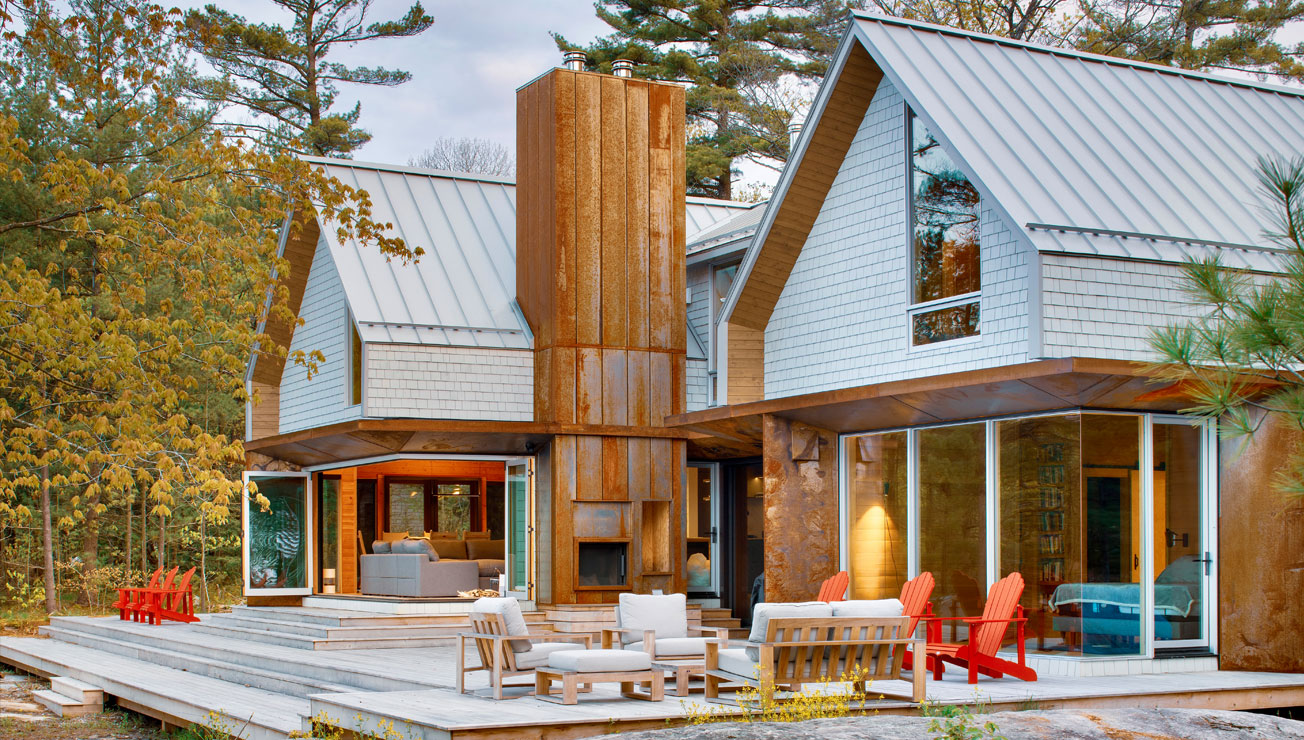

Scandinavian Modern Inspiration


Lake Simcoe Century Farmhouse


Laneway House in Little Italy

Signature Projects

Every RBA project tells a story about the relationship between design, place, and the people who bring it to life.

Etobicoke Custom Home – Now moving from the design stage to construction, this residence fuses modern geometry with inviting warmth. It is urban sophistication grounded in craftsmanship.
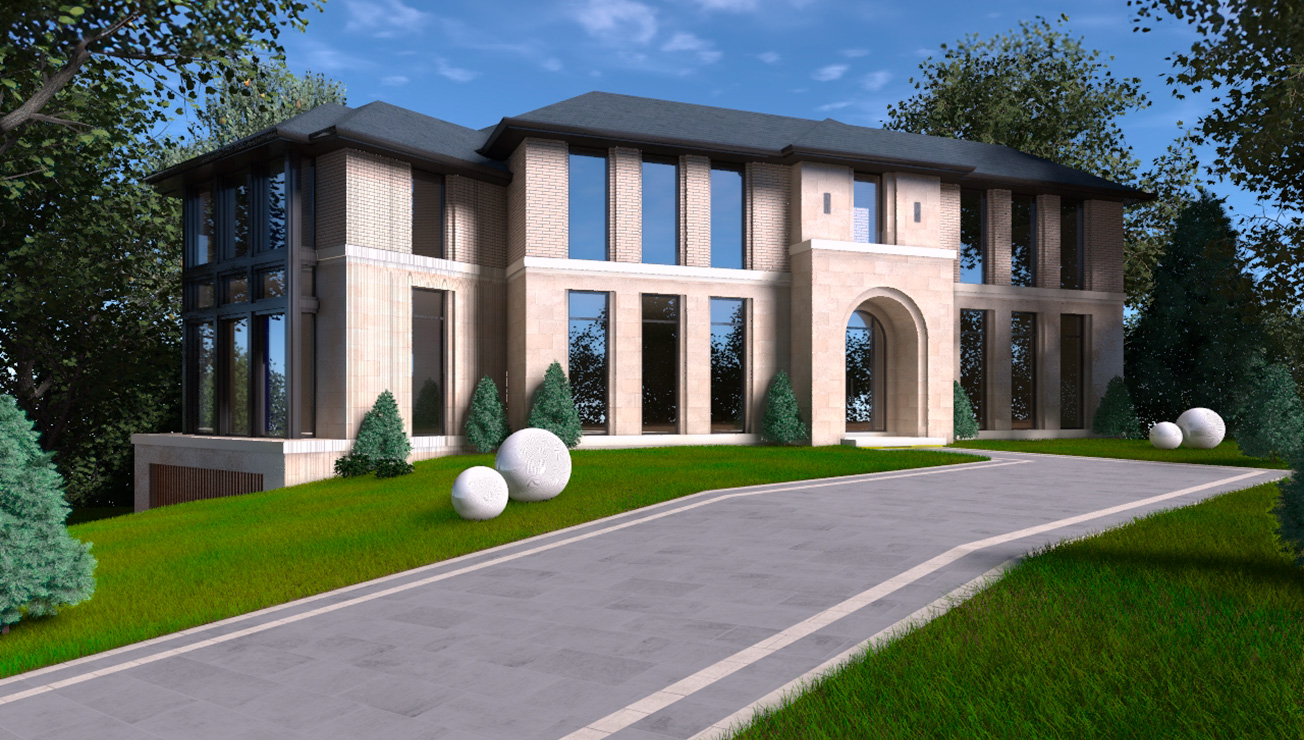

Etobicoke Custom Home

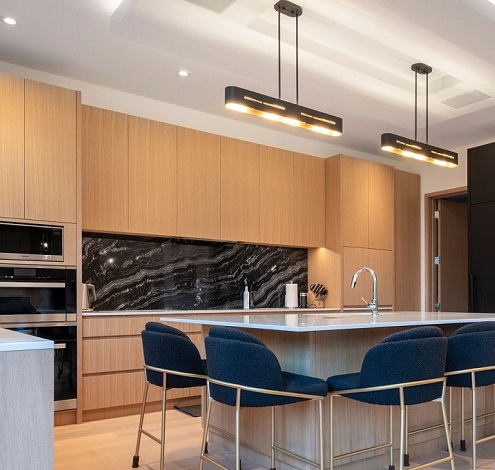
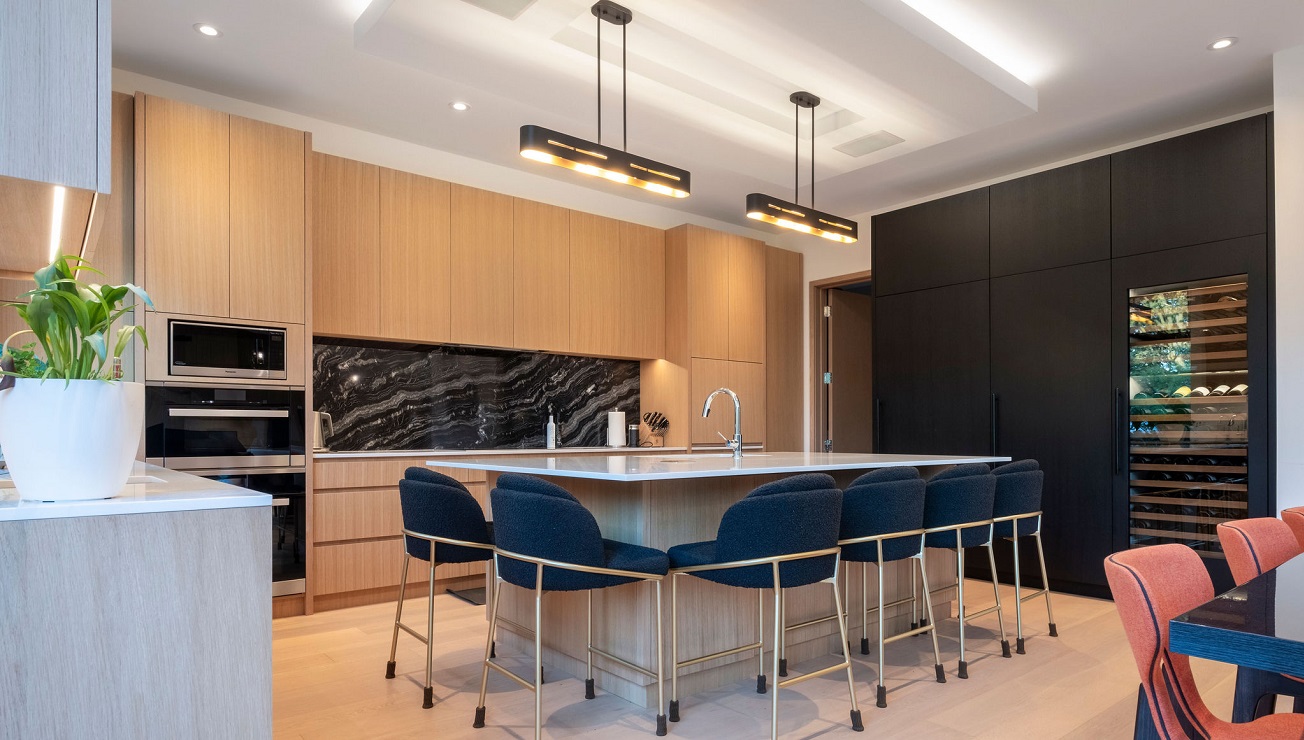
Midhurst Kitchen Renovation – A renovation that became a reinvention. What began as a simple update grew into a transformation of space and feeling. Light oak, quartz, and natural light define this kitchen, designed for connection and crafted for everyday beauty.
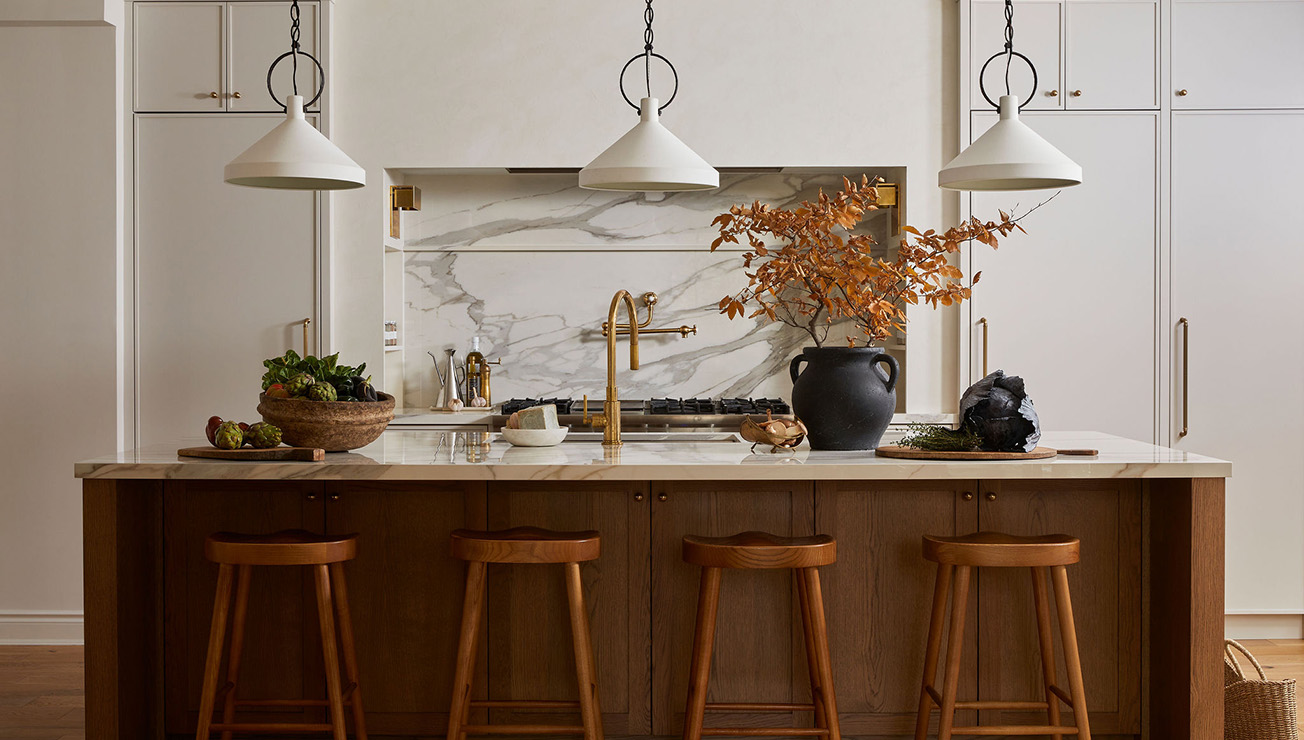

Midhurst Dream Kitchen

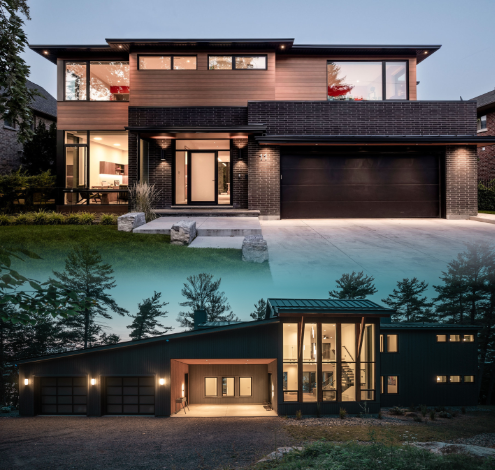
Roncesvalles Home Renovation – In Toronto’s west end, RBA balanced heritage and modernity. Restored brick and millwork meet refined finishes to create a timeless home that feels both rooted and renewed.
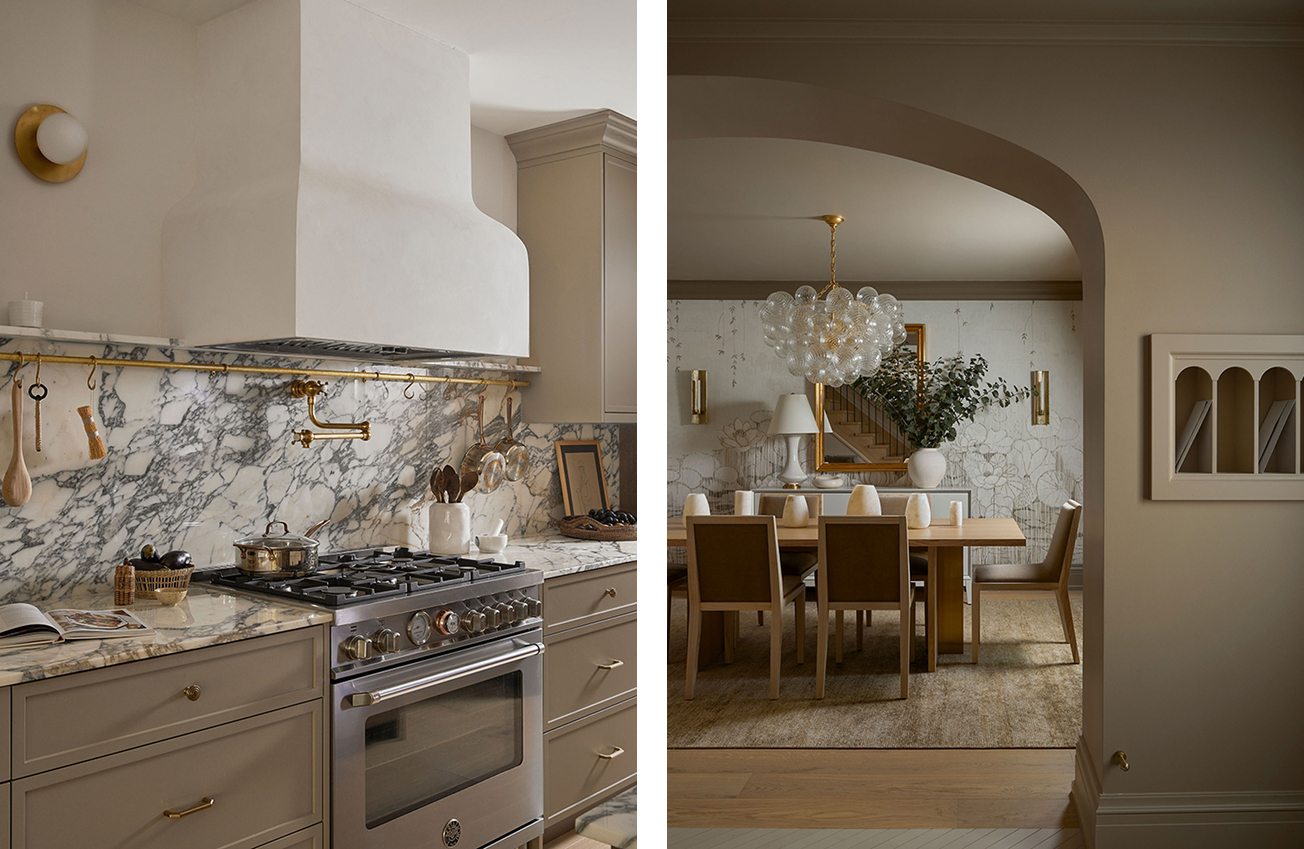
Roncesvalles Home Renovation

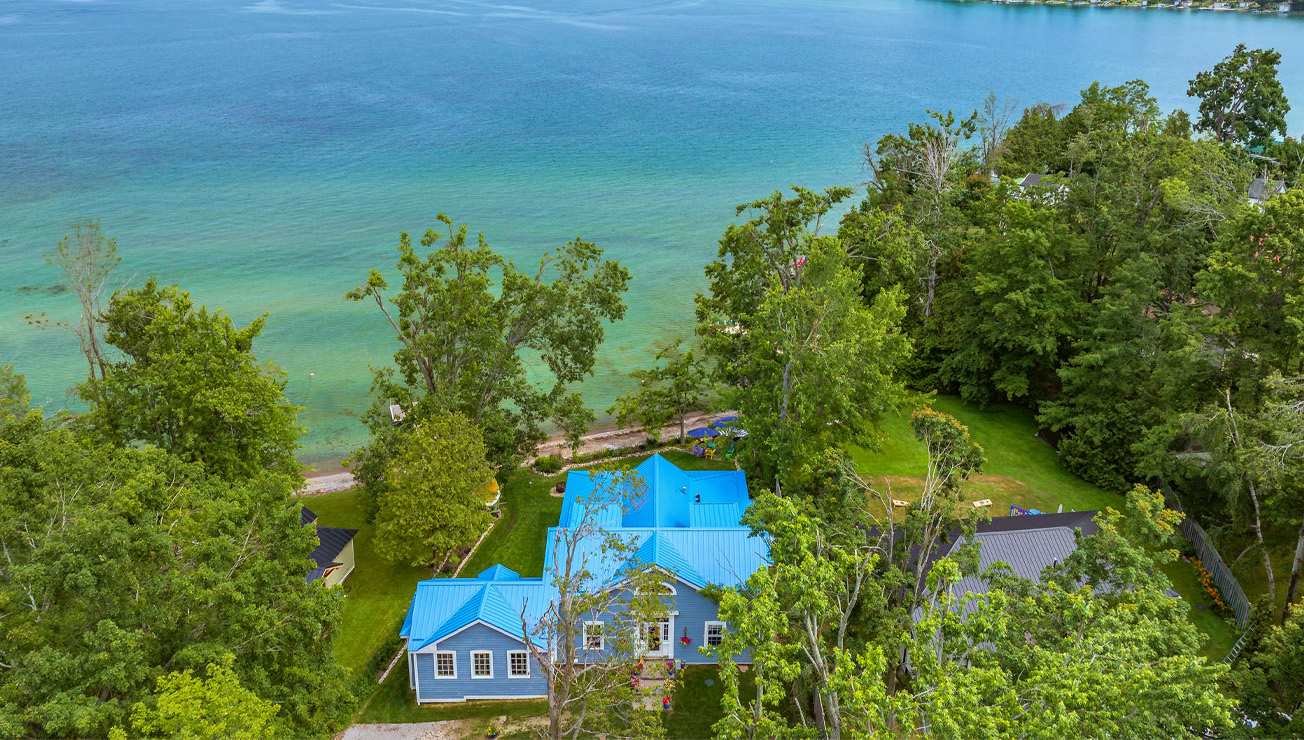
Muskoka Retreat on Mill Lake – A signature Muskoka retreat that blurs the line between architecture and nature. Timber, glass, and stone flow together to frame panoramic views of Mill Lake and capture the calm of lakeside living.


Views of Mill Lake

Georgian Bay Family Retreat – Set along the Collingwood shoreline, this in-progress build draws on Scandinavian modernism. Natural limestone, vertical cedar, and wide expanses of glass create a grounded yet serene retreat that reflects RBA’s design-first approach.
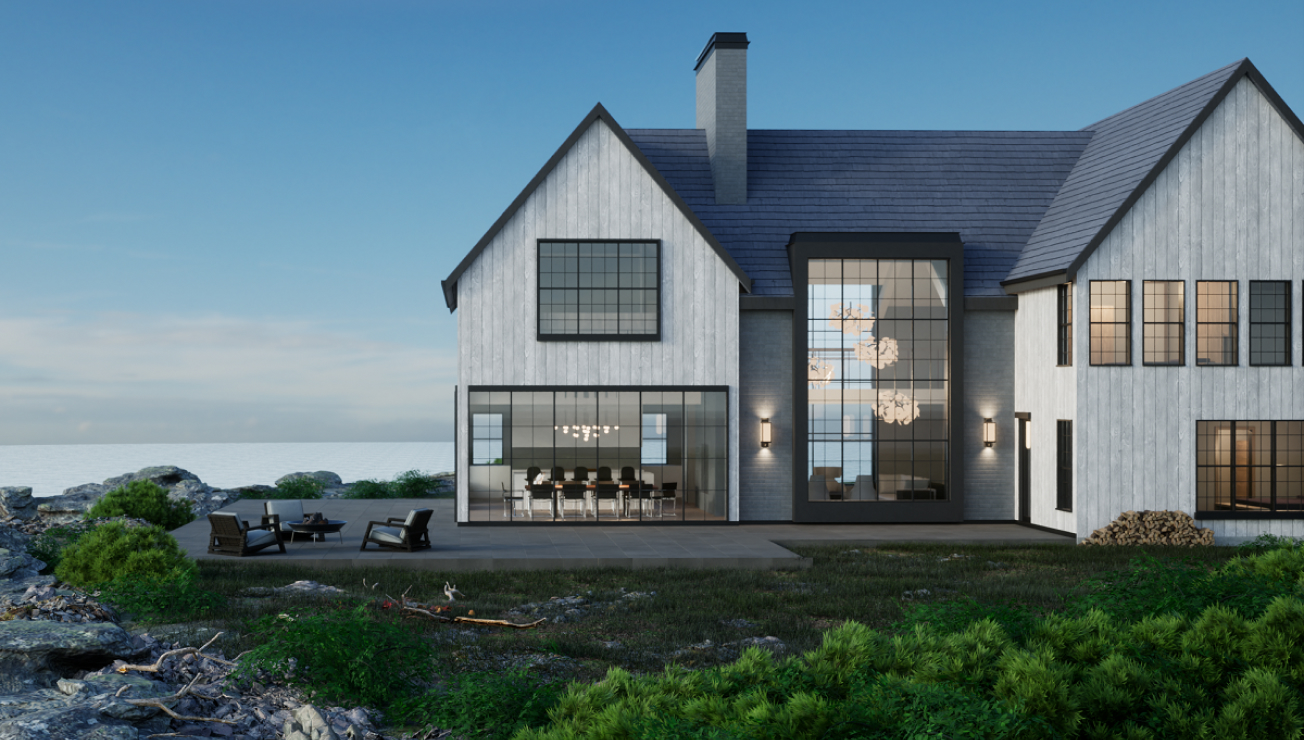

Georgian Bay Family Retreat

The Humber Valley Home: Full-Circle Craftsmanship

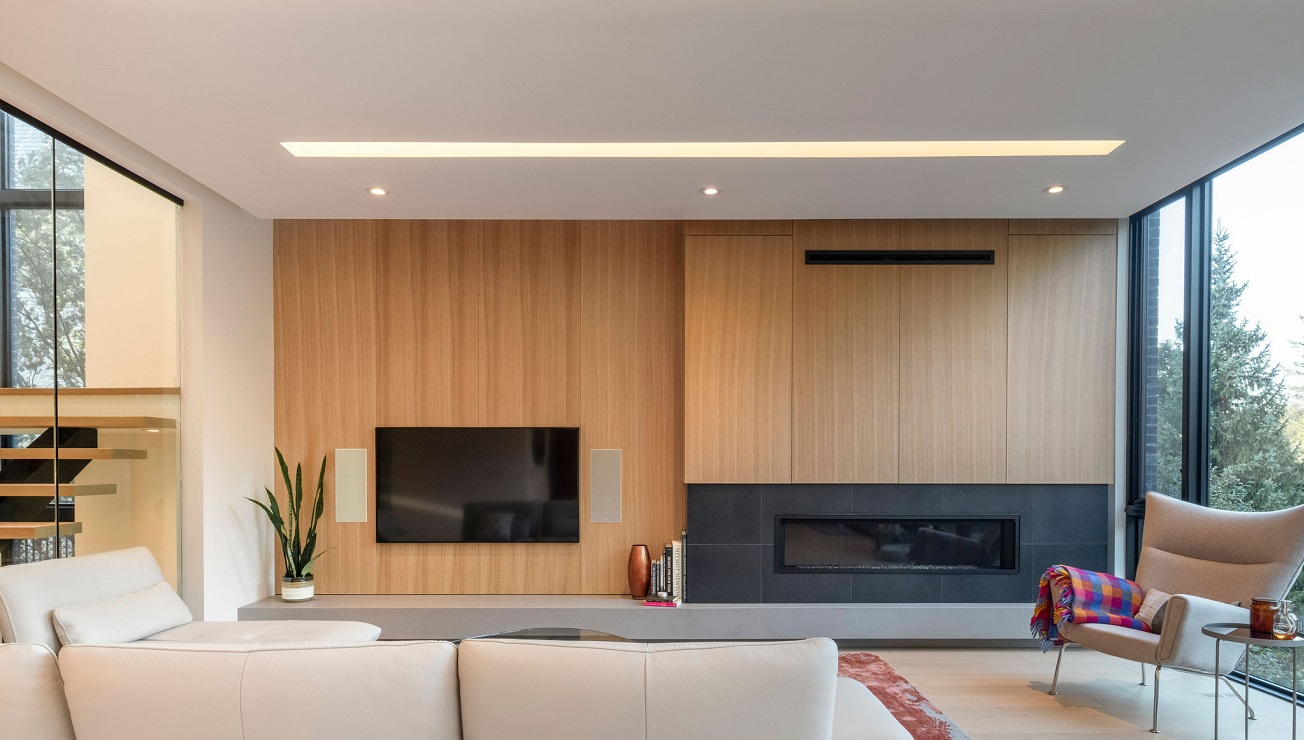
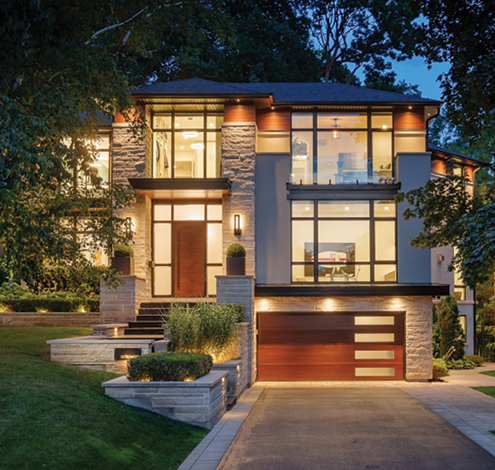
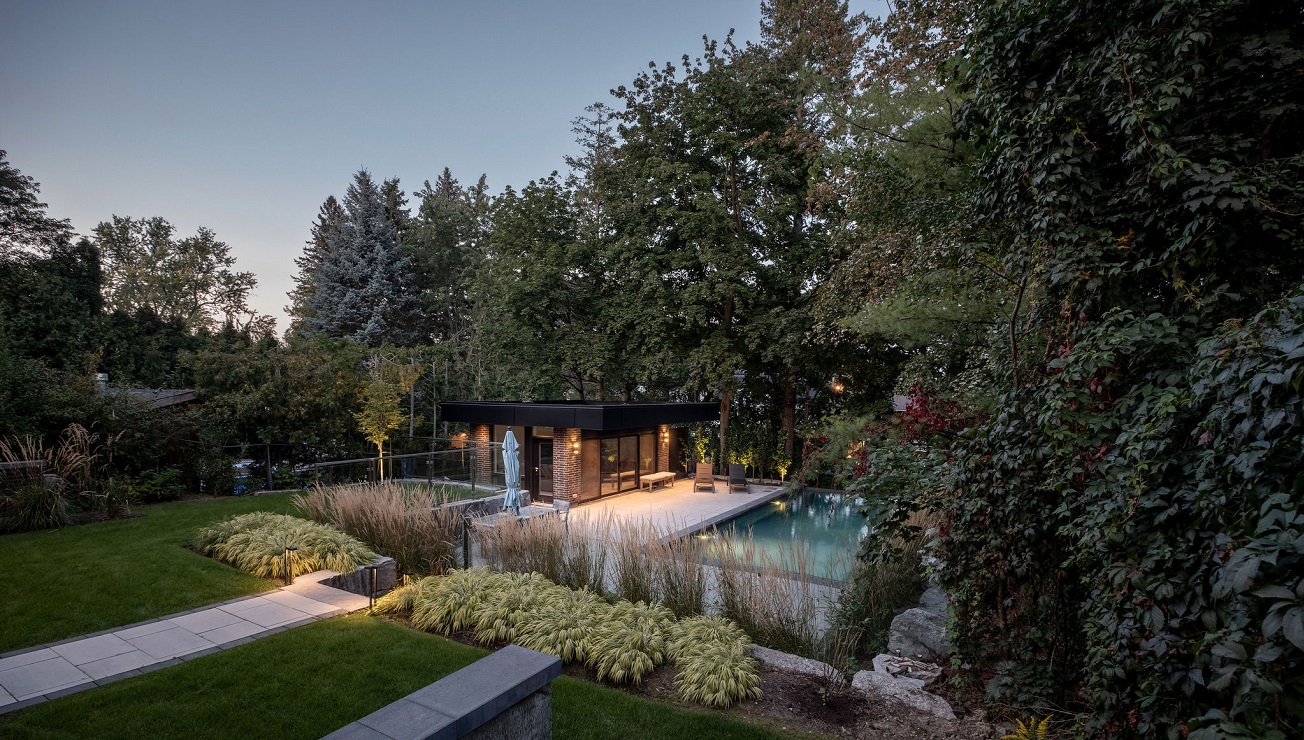
The Humber Valley Custom Home brings RBA’s story full circle. Located not far from where Rob and Ryan first started building, it represents the culmination of two decades of experience. The design fuses urban sophistication with natural materials, pairing strong geometry with warm, tactile finishes. It is a reflection of RBA’s evolution from raw ambition to refined mastery.

“It is a reminder of how far we have come,” reflects Ryan. “From those early days figuring things out in the garage, to collaborating with some of the best design minds in the country. But the heart of it has not changed. We still build every home like it is our own.”
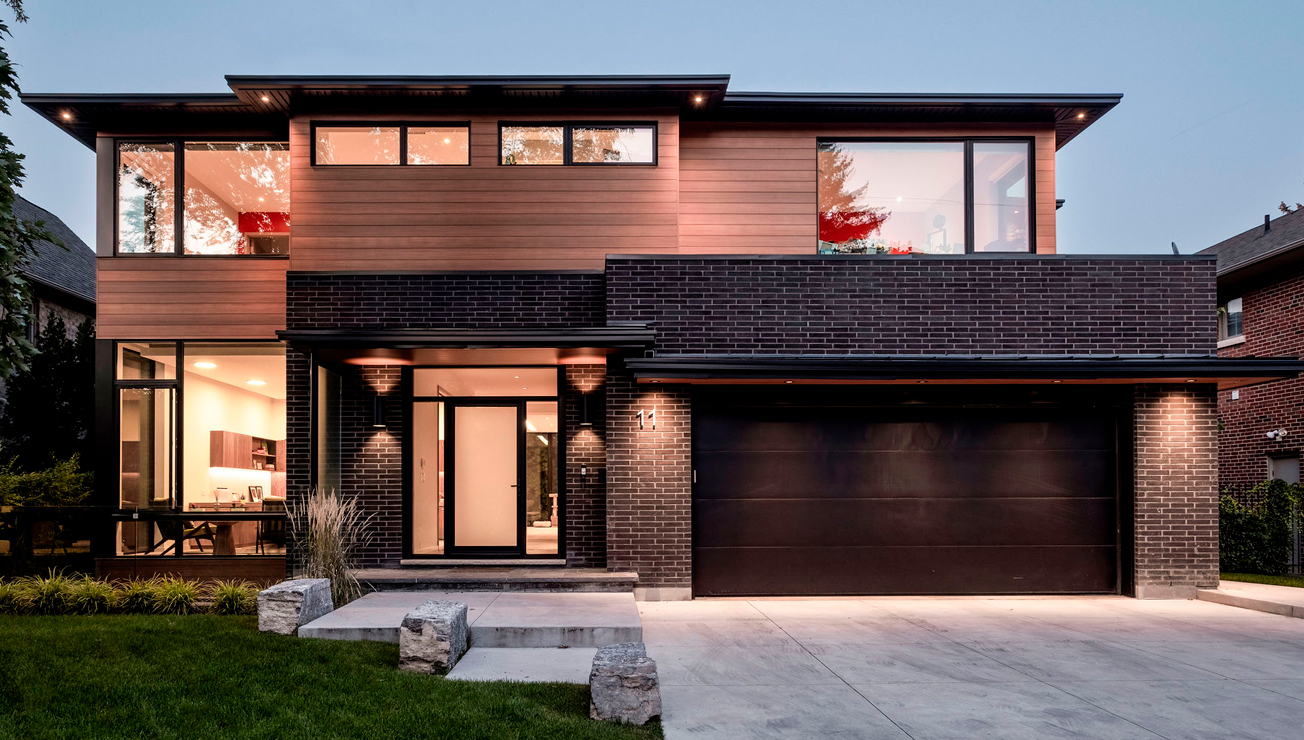
Humber Valley Custom


Humber Valley Custom


Humber Valley Custom

Built on Relationships

RBA’s commitment to collaboration extends far beyond clients and designers. It is echoed among the trades that bring each project to life. Many of RBA’s partners have worked alongside Rob and Ryan for more than a decade, drawn to their meticulous planning, mutual respect, and shared pursuit of quality.

“Our goal has never been to be the biggest,” says Rob. “We just want to be the best. To build homes and cottages that stand the test of time and relationships that last just as long.”
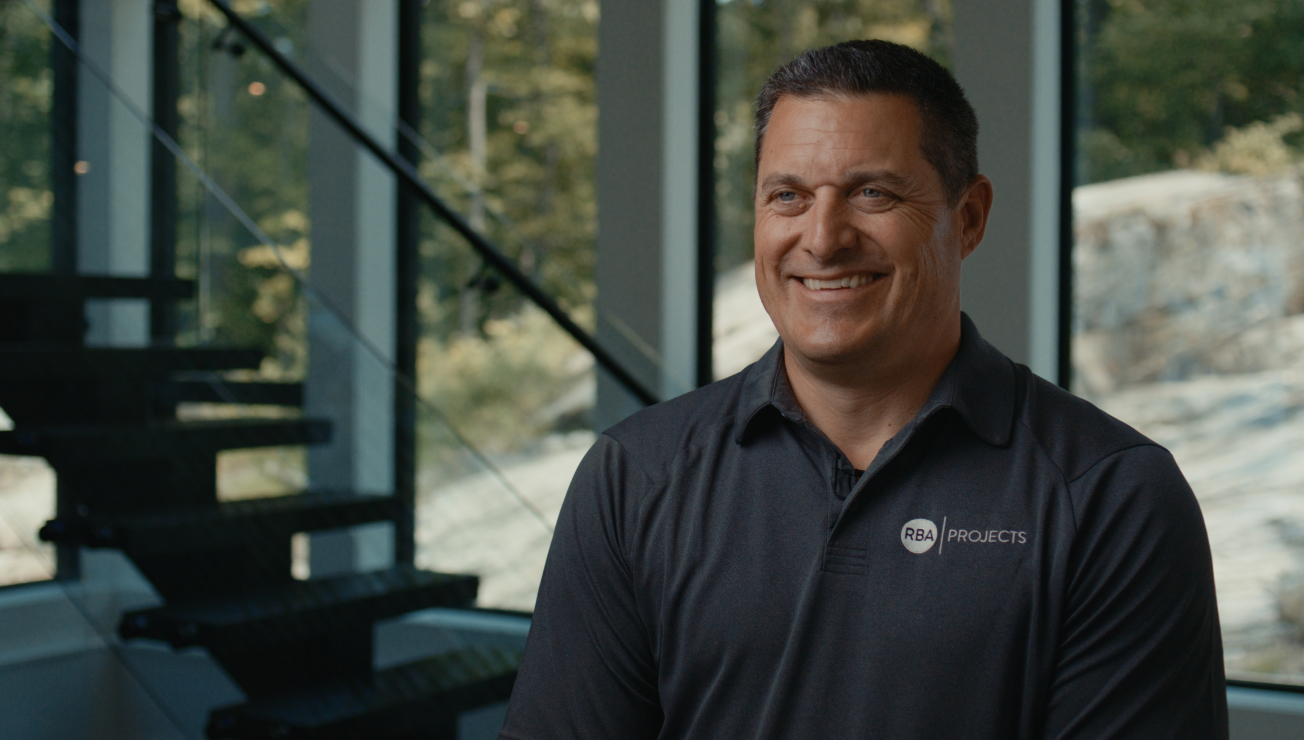

Ryan Robinson in View of Mill Lake Video

Full Circle

Standing on the dock of their Mill Lake project, Rob and Ryan often reflect on the journey that began decades ago with two friends who simply loved to build. They still approach every project with that same curiosity, creativity, and shared commitment to doing things the right way.

From city streets to lakeside retreats, RBA Projects continues to redefine what it means to build beautifully, proving that when design leads and passion drives, the results speak for themselves.


Ryan (Left) and Rob (Right) reflecting on RBA’s Story at the Views of Mill Lake Project

Toronto Office: 1460 The Queensway Toronto, ON M8Z 1S4 (416) 722-0025 build@rbaprojects.com
North Office: PO Box 495 Bala, ON P0C 1A0 (705) 645-3973 build@rbaprojects.com

Open-Concept Living: Why It’s Here to Stay

In recent years, open-concept living has become the hallmark of modern home design.

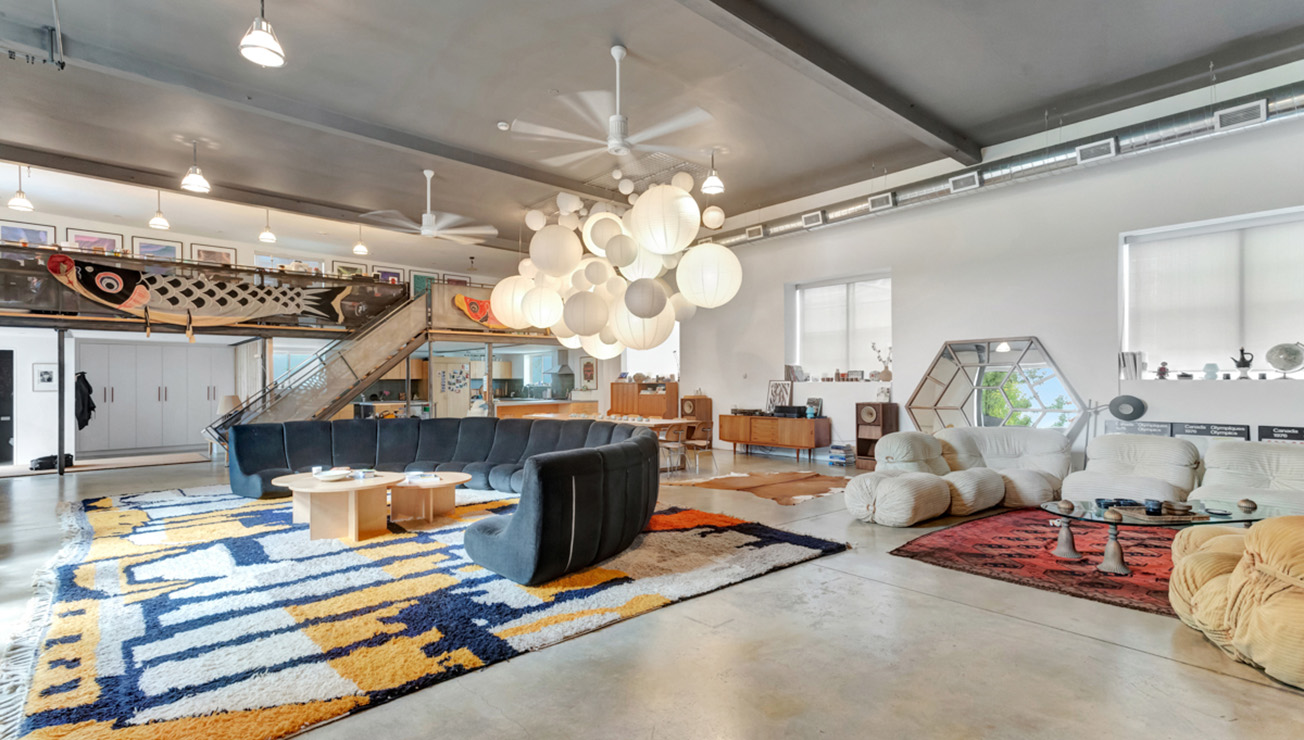
In recent years, open-concept living has become the hallmark of modern home design. Characterized by expansive, flowing spaces where the kitchen, dining, and living areas seamlessly blend into one another, this layout offers both aesthetic and practical benefits that have resonated with homeowners around the world. As we move forward, open-concept living is no longer just a passing trend—it has become a mainstay in home design, and for good reason.

In this blog post, we’ll explore why open-concept living is here to stay and the advantages that make this layout a favourite among homeowners and designers alike.

The Shift Towards Open Spaces

Open-concept living emerged as a response to the traditional, compartmentalized layouts of earlier decades, where rooms were typically designed for specific purposes—kitchens were separate from living rooms, and formal dining areas were isolated from the rest of the home. While these segmented spaces served their time, the demand for more open, flexible layouts began to rise in the 20th century, especially as lifestyles evolved.

With the popularity of minimalist design and an increasing emphasis on maximizing space, the open-concept layout offered a practical solution. It removed the physical and visual barriers between rooms, allowing for a more connected, airy, and spacious living experience. Today, the open-concept home is seen as a symbol of modern living, offering a range of benefits that make it an enduring feature in contemporary homes.

1. Enhanced Natural Light

One of the primary reasons open-concept living is so appealing is its ability to bring in more natural light. By eliminating walls and barriers between rooms, natural light can flow freely throughout the space, creating a bright and welcoming atmosphere. Large windows and glass doors are often incorporated into open-concept homes, further enhancing the sense of openness and allowing light to reach deeper into the home.
With more natural light, rooms feel larger and more inviting, which can be especially important for homes in urban areas or spaces with limited square footage. A home bathed in sunlight not only feels more pleasant but has numerous psychological benefits, including improved mood and increased productivity.

2. Greater Sense of Space

Open-concept living gives the illusion of more space, even in homes with a smaller footprint. By combining rooms like the kitchen, dining, and living areas into a single cohesive space, the home feels larger and more fluid. The absence of walls or doorways creates a sense of continuity that makes the home feel less cramped, which is particularly beneficial in urban settings or homes with limited square footage.

This sense of openness can also contribute to a greater understanding of freedom and flexibility within the home. The boundaries between spaces are less defined, allowing homeowners to arrange and design the space to suit their unique needs and lifestyles. Whether you’re hosting a party, cooking dinner, or simply relaxing, an open-concept design offers the freedom to move about without being confined to individual rooms.

3. Improved Social Interaction

Open-concept layouts are perfect for socializing and entertaining. In a traditional layout, the kitchen and living areas were often isolated, which made it challenging for hosts to interact with guests while preparing meals. With an open-concept design, the kitchen seamlessly flows into the living and dining areas, allowing for better communication and interaction between family members and guests.

This design is especially beneficial for families and those who love to entertain. Whether it’s cooking a meal, helping kids with homework, or hosting a dinner party, an open layout encourages people to gather and interact in a central space. The lack of physical barriers creates a more inclusive environment, where everyone can be part of the action without feeling isolated in separate rooms.

4. Flexibility and Functionality

One of the greatest benefits of open-concept living is its flexibility. This layout allows for multi functional spaces that can be adapted to various needs over time. For example, the kitchen, dining, and living room can serve as an informal gathering space during the day and transform into a cozy movie or game night area in the evening.

Open-concept spaces can also be customized to suit your family’s changing needs. As children grow or family dynamics change, the layout can evolve to accommodate new purposes, such as creating a home office, study nook, or additional seating areas. The lack of walls allows homeowners to experiment with how spaces are used, making it a versatile choice for those who prioritize functionality.

In addition, open spaces make it easier to incorporate multi-purpose furniture—such as storage ottomans, foldable tables, or modular seating—that can be rearranged as needed. This kind of flexibility is especially valuable for people who want to maximize their space without sacrificing style or comfort.

5. Better Flow and Ease of Movement

Open-concept living also allows for better flow between spaces. There’s no need to navigate through multiple doorways or corridors to get from one room to another, which makes the entire house feel more connected and easier to navigate. This is particularly useful in homes with multiple occupants, where ease of movement between rooms can be a significant advantage.

The lack of physical walls also provides a sense of continuity and fluidity, making the transition from one activity to another feel more natural. For example, someone cooking dinner in the kitchen can easily chat with others in the living or dining room without feeling disconnected from the social aspect of the home.

This ease of movement can also be particularly beneficial for families with young children or elderly members. In an open-concept home, caregivers can easily monitor kids while cooking or help older family members move around the home without worrying about navigating through separate rooms.

6. Aesthetic Appeal

Another reason for its popularity is the aesthetic of open-concept living. The clean, flowing lines of a large, open space create a modern, minimalist look that many people find appealing. This design maximizes the space’s potential, allowing homeowners to create a harmonious, cohesive environment that feels balanced and uncluttered.

In addition, open spaces offer a greater opportunity to create focal points and showcase design elements such as statement furniture, art pieces, or unique lighting fixtures. Since the space is uninterrupted by walls, these design elements have room to shine, contributing to a more curated and visually interesting home.

For those who appreciate a more contemporary or minimalist style, open-concept living aligns perfectly with these design philosophies, creating a stylish, uncluttered home environment.

7. Increased Home Value

Open-concept living is not just a trend; it’s a selling point. Homes with open-concept layouts are in high demand, especially among buyers who want modern, spacious living environments. The expansive feel of an open-concept design adds significant value to the home, both in terms of market appeal and overall livability.

Homes with open layouts often feel more current and functional, which can make them more attractive to potential buyers. Additionally, the versatile nature of open-concept spaces appeals to a wide range of tastes and lifestyles, making it easier to sell a home in a competitive market.

Open-concept living is more than just a passing trend—it’s a design philosophy that offers a wide range of benefits, from increased natural light and a greater sense of space to improved social interaction and flexible functionality. As homes continue to evolve, the open-concept layout is here to stay, offering a modern, cohesive way of living that adapts to the needs of contemporary families.

Whether you’re renovating your current home or building a new one, an open-concept layout provides a stylish and practical foundation for creating a space that enhances both your lifestyle and the overall feel of your home. By removing barriers and creating flow, open-concept living fosters a sense of connection, comfort, and convenience—making it a design trend that will continue to be a favourite for years to come.

Why Choosing a Project Manager Might Be the Ideal Option for Your Construction Project

Embarking on a construction project is a significant endeavor that requires meticulous planning, coordination, and execution. One of the most crucial decisions…

Embarking on a construction project is a significant endeavor that requires meticulous planning, coordination, and execution. One of the most crucial decisions you’ll make is selecting the right professional to oversee the project. While general contractors play a vital role in on-site management and execution, opting for a project manager can offer numerous advantages, particularly for complex or large-scale projects. In this comprehensive guide, we’ll delve into the reasons why choosing a project manager might be the optimal option for your construction project.

blog-img

Comprehensive Oversight and Coordination:

One of the primary benefits of hiring a project manager is their ability to provide comprehensive oversight and coordination throughout the entire project lifecycle. Unlike general contractors who focus primarily on on-site management, project managers take a holistic approach, overseeing every aspect of the project from inception to completion.

  • Project managers develop detailed project plans, define objectives, and establish timelines and milestones to ensure that the project stays on track.
  • They coordinate activities among various stakeholders, including architects, engineers, subcontractors, suppliers, and regulatory authorities, ensuring seamless collaboration and communication.
  • By centralizing project management responsibilities, project managers minimize the risk of miscommunication, delays, and cost overruns, leading to smoother project execution and improved outcomes.

Strategic Planning and Risk Management:

Another key advantage of hiring a project manager is their expertise in strategic planning and risk management. Project managers are trained to identify potential risks and develop proactive strategies to mitigate them, thereby minimizing disruptions and maximizing project success.

  • Project managers conduct comprehensive risk assessments, identifying potential threats to the project’s timeline, budget, and quality standards.
  • They develop contingency plans and alternative solutions to address unforeseen challenges, ensuring that the project remains resilient and adaptable in the face of adversity.
  • By anticipating and mitigating risks proactively, project managers help minimize costly delays, disputes, and rework, ultimately saving time and money for the project stakeholders.

Client Advocacy and Communication:

Project managers serve as the primary point of contact for clients, advocating for their interests and ensuring that their needs and expectations are met throughout the project lifecycle. This high level of client advocacy and communication is a significant advantage of hiring a project manager.

  • Project managers work closely with clients to understand their vision, goals, and priorities for the project, translating them into actionable plans and strategies.
  • They provide regular updates, progress reports, and transparent communication, keeping clients informed and involved in decision-making processes.
  • By acting as a liaison between clients and the project team, project managers foster trust, transparency, and collaboration, leading to greater client satisfaction and project success.

Expertise in Complex Projects:

For complex or large-scale construction projects that involve multiple stakeholders, intricate design requirements, and stringent regulatory compliance, the expertise of a project manager can be invaluable. Project managers bring a wealth of experience and knowledge to the table, enabling them to navigate complexities and overcome challenges effectively.

  • Project managers have a deep understanding of construction processes, building codes, and industry best practices, allowing them to provide expert guidance and leadership.
  • They leverage their network of professionals, subcontractors, and suppliers to assemble the right team for the job, ensuring that each aspect of the project is executed with precision and efficiency.
  • With their strategic vision and problem-solving skills, project managers are adept at overcoming obstacles, resolving conflicts, and driving innovation, even in the most challenging environments.

In conclusion, choosing a project manager for your construction project can offer numerous advantages, particularly for complex or large-scale endeavors. Project managers provide comprehensive oversight and coordination, strategic planning and risk management, client advocacy and communication, and expertise in tackling complex projects. By entrusting your project to a skilled and experienced project manager, you can minimize risks, maximize efficiency, and ensure the successful execution of your construction project. Whether you’re building a new home, renovating a commercial space, or undertaking a major infrastructure project, investing in a project manager can be the key to achieving your goals and realizing your vision.

Client Login