

logo logo
logo-mobile

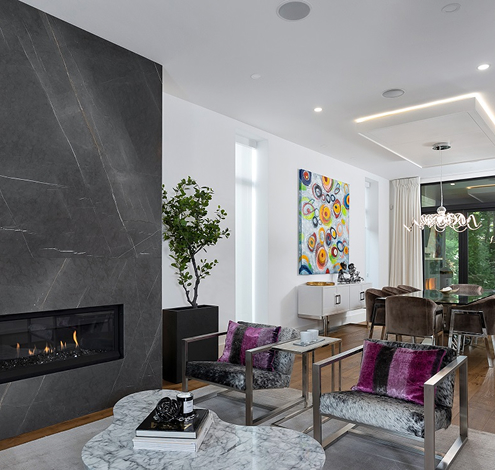
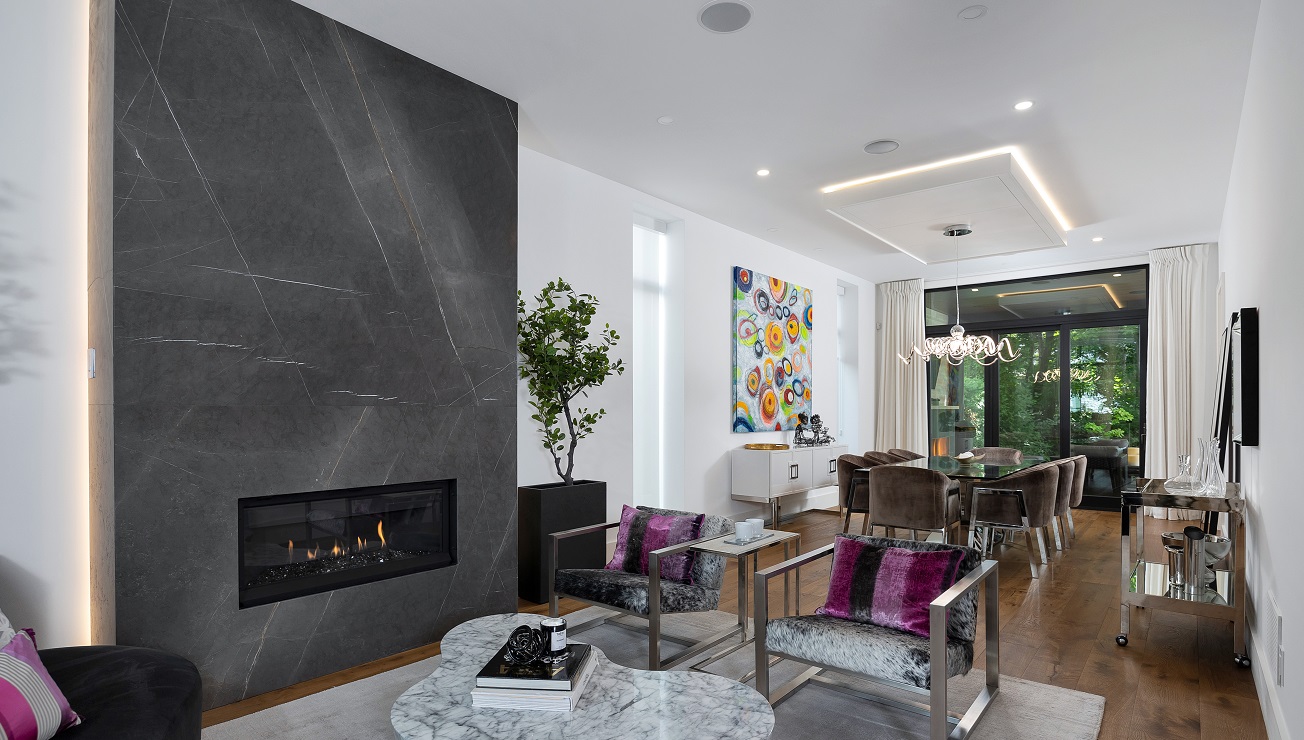
Choosing The Perfect Flooring For Your Home

Flooring is one of the most impactful elements of interior design, setting the tone for the entire space while providing comfort and functionality.

Flooring is one of the most impactful elements of interior design, setting the tone for the entire space while providing comfort and functionality. However, with a vast array of materials, styles, and considerations, selecting the right flooring for your home can feel like a daunting task. In this comprehensive guide, we’ll explore everything you need to know to make an informed decision about choosing the perfect flooring for your space.


Understanding Your Needs:

Before diving into the world of flooring options, it’s essential to assess your specific needs and preferences. Consider the following factors:

    1. Lifestyle: How do you use the space? Do you have children or pets? Will the area be subjected to high foot traffic, spills, or heavy furniture?
    2. Aesthetic Preferences: What style are you aiming for? Do you prefer a sleek, modern look, or are you drawn to more traditional, rustic designs?
    3. Budget: What is your budget for the flooring project? Keep in mind that while some materials have a higher upfront cost, they may offer greater durability and longevity, potentially saving you money in the long run.
    4. Maintenance: How much time and effort are you willing to invest in flooring maintenance? Some materials require regular upkeep, such as sealing or refinishing, while others require less maintenance.

With these considerations in mind, let’s explore the various counter top materials available:

Hardwood Flooring:

Hardwood flooring is prized for its timeless beauty, warmth, and durability. Available in a variety of wood species, finishes, and plank sizes, hardwood adds character and sophistication to any space. While hardwood requires regular maintenance, such as refinishing and occasional resealing, it can last for generations with proper care.

Laminate Flooring:

Laminate flooring offers the look of hardwood at a more budget-friendly price point. Made from composite wood materials and topped with a photographic image of wood grain, laminate is durable, scratch-resistant, and easy to clean. Additionally, laminate flooring is available in a wide range of styles and colours, making it a versatile option for any home.

Vinyl Flooring:

Vinyl flooring has come a long way in recent years, offering durability, water resistance, and affordability. Available in sheet, tile, or plank form, vinyl flooring is easy to install and maintain, making it an excellent choice for busy households. Additionally, vinyl comes in a variety of designs, including wood, stone, and tile looks, allowing you to achieve the look of natural materials without the cost or maintenance.

Tile Flooring:

Due to its water resistance and durability, tile flooring is a popular choice for kitchens, bathrooms, and other high-moisture areas. Available in ceramic, porcelain, and natural stone varieties, tile comes in a vast array of colours, patterns, and sizes to suit any design aesthetic. While ceramic and porcelain tiles are relatively low-maintenance, natural stone tiles may require periodic sealing to prevent staining and moisture damage.

Carpet Flooring:

Carpet flooring adds warmth, comfort, and sound insulation to any space, making it a popular choice for bedrooms, living rooms, and family rooms. Available in a variety of materials, pile heights, and textures, carpet offers endless possibilities for customization. However, to maintain its appearance and freshness, carpet requires regular vacuuming and periodic deep cleaning.

Engineered Hardwood Flooring:

Engineered hardwood flooring consists of a thin veneer of real wood bonded to layers of plywood or fiberboard. It offers the beauty of hardwood with added stability and moisture resistance. Engineered hardwood is suitable for installation in areas where solid hardwood may be prone to expansion and contraction, such as basements or over radiant heating systems.

Making the Decision:

With so many flooring options available, selecting the perfect flooring for your home can feel overwhelming. To help narrow down your choices, consider the following factors:

  1. Durability: Will the flooring withstand the demands of your lifestyle and usage patterns? To ensure longevity, choose a material that is resistant to scratches, stains, and moisture damage.
  2. Aesthetic Appeal: Does the flooring complement the overall design aesthetic of your space? Consider factors such as colour, texture, and pattern to create a cohesive look that enhances the beauty of your home.
  3. Comfort: How does the flooring feel underfoot? Consider factors such as warmth, softness, and sound absorption to ensure comfort and functionality in your space.
  4. Maintenance: How much time and effort are you willing to invest in flooring maintenance? Select a material that fits your lifestyle and maintenance preferences, such as low-maintenance vinyl or high-maintenance hardwood.
  5. Budget: Is the cost of the flooring material within your budget? Consider not only the upfront cost but also any long-term maintenance expenses.

Choosing the perfect flooring for your home is a decision that requires careful consideration of factors such as lifestyle, aesthetic preferences, durability, maintenance, and budget. By assessing your specific needs and exploring the various flooring options available, you can make an informed decision that enhances the beauty, comfort, and functionality of your space for years to come. Whether you opt for the timeless elegance of hardwood, the durability of vinyl, or the versatility of tile, the right flooring can transform your home into a haven of style and comfort.
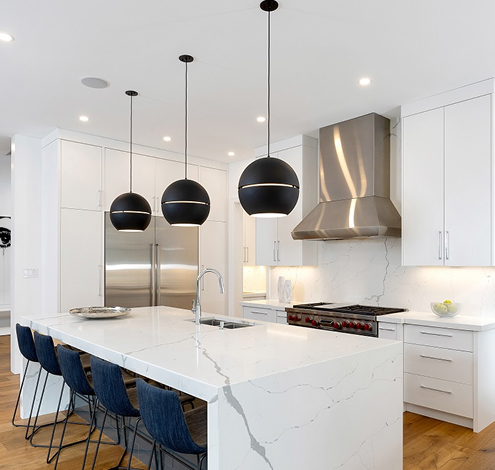
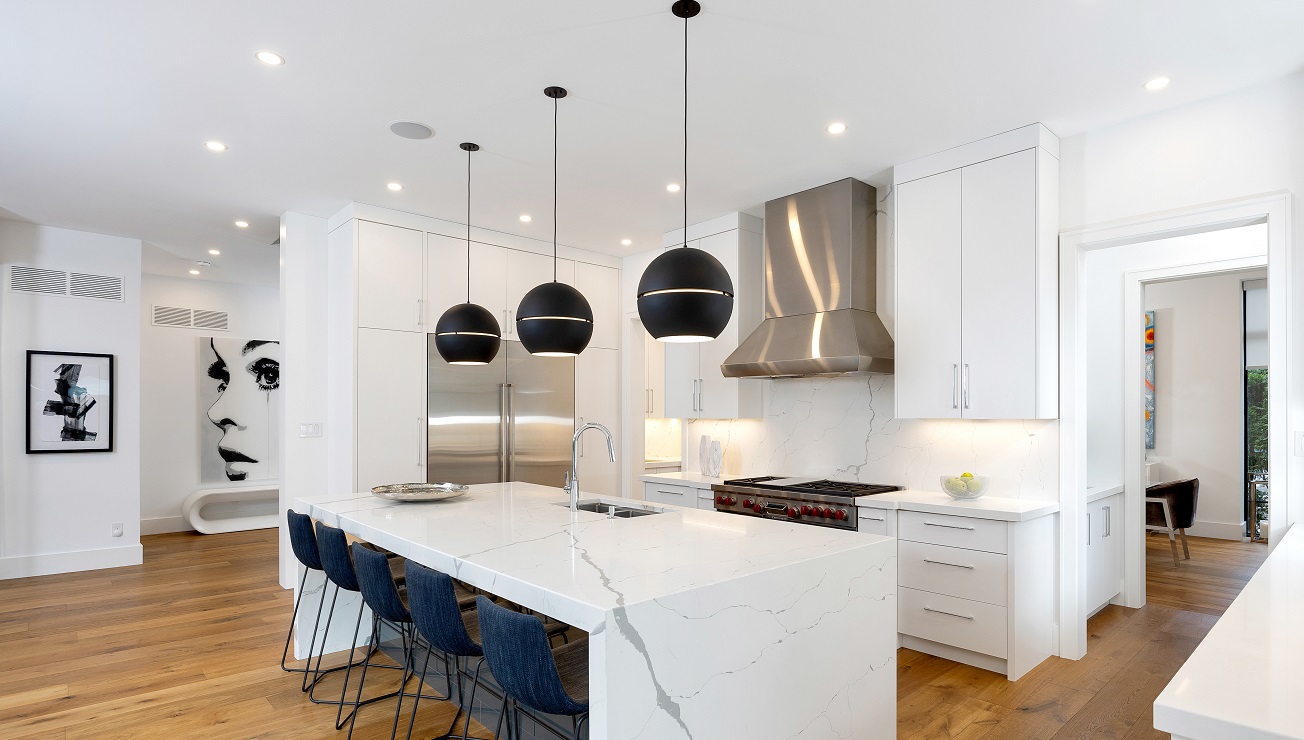
A Guide to Choosing The Perfect Countertop for Your Home

The countertop is the unsung hero of any kitchen or bathroom. It bears the brunt of daily activities while simultaneously serving as a focal point for aesthetic appeal.

The countertop is the unsung hero of any kitchen or bathroom. It bears the brunt of daily activities while simultaneously serving as a focal point for aesthetic appeal. However, with a wide variety of materials, colours, and styles available, choosing the right countertop can be an overwhelming task. In this comprehensive guide, we’ll explain everything you need to know to make an informed decision about selecting the perfect countertop for your space.

Understanding Your Needs:

Before diving into the myriad options available, it’s crucial to assess your specific needs and preferences. Consider factors such as:

  1. Usage: How heavily will the countertop be used? Will it primarily serve as a food preparation area, or will it be subjected to other activities such as crafting or homework?
  2. Style: What aesthetic are you aiming for? Do you prefer a sleek, modern look, or are you drawn to more traditional, rustic designs?
  3. Maintenance: How much time and effort are you willing to invest in countertop maintenance? Some materials require regular sealing and upkeep, while others are virtually maintenance-free.
  4. Budget: What is your budget for the countertop project? While some materials may have a higher upfront cost, their durability and longevity could save you money in the long run.

    With these considerations in mind, let’s explore the various counter top materials available:

Granite:

Granite countertops are prized for their durability and natural beauty. Each slab is unique, featuring intricate patterns and colour variations that add character to any space. While granite is resistant to heat and scratches, it requires periodic sealing to prevent staining.

Marble:

Marble countertops exude elegance and sophistication, making them a popular choice for high-end kitchens and bathrooms. However, marble is more susceptible to scratching and staining than other materials, so it may not be the best option for high-traffic areas.

Quartz:

Quartz countertops offer the beauty of natural stone with the added benefit of being non-porous and virtually maintenance-free. Unlike granite and marble, quartz countertops do not require sealing and are highly resistant to staining and scratching. Additionally, quartz is available in a wide range of colours and patterns to suit any design aesthetic.

Solid Surface:

Solid-surface countertops, such as Corian, are made from acrylic or polyester resins and mineral fillers. They are seamless, non-porous, and easy to clean, making them an excellent choice for busy households. Solid-surface countertops are available in a variety of colours and can be custom-fabricated to fit any space.

Butcher Block:

Butcher block countertops add warmth and charm to any kitchen with their natural wood grain and texture. While butcher block requires regular oiling to maintain its appearance and prevent drying out, it is highly durable and can be sanded and refinished as needed.

Stainless Steel:

Stainless steel countertops are a favourite among professional chefs for their durability, heat resistance, and hygienic properties. However, they can be prone to scratching and denting, so they may not be suitable for all households.

Laminate:

Laminate countertops offer an affordable and versatile option for homeowners on a budget. Available in a wide range of colours and patterns, they are easy to clean and maintain, although they may be susceptible to scratching and heat damage.

Making the Decision:

With so many options to choose from, selecting the perfect countertop for your home can feel like a daunting task. To help narrow down your choices, consider the following factors:

  1. Aesthetic Appeal: Does the countertop material complement the overall design aesthetic of your space? Consider factors such as colour, texture, and pattern to ensure a cohesive look.
  2. Durability: Will the countertop withstand the rigours of daily use? To ensure longevity, choose a material that is resistant to scratching, staining, and heat damage.
  3. Maintenance: How much time and effort are you willing to invest in countertop maintenance? Select a material that fits your lifestyle and maintenance preferences, such as low-maintenance quartz or high-maintenance marble.
  4. Budget: Does the cost of the countertop material fit within your budget? Consider not only the upfront cost of the material but also any long-term maintenance expenses.
  5. Environmental Impact: Is the countertop material eco-friendly and sustainable? Look for materials that are sourced responsibly and manufactured using environmentally friendly practices.

Choosing the perfect countertop for your home is a decision that requires careful consideration of factors such as usage, style, maintenance, and budget. By assessing your specific needs and preferences and exploring the various countertop materials available, you can make an informed decision that enhances the beauty and functionality of your space for years to come. Whether you opt for the timeless elegance of marble, the durability of quartz, or the warmth of butcher block, the right countertop can elevate your kitchen or bathroom to new heights of style and sophistication.

5 Things to Know Before Starting a Kitchen Renovation

Whether you’re updating an outdated space, expanding your cooking area, or creating your dream kitchen, a successful renovation requires careful planning, time, and effort.

Renovating your kitchen can be an exciting yet overwhelming process. Whether you’re updating an outdated space, expanding your cooking area, or creating your dream kitchen, a successful renovation requires careful planning, time, and effort. Before you embark on a kitchen renovation project, there are several key factors you should consider to ensure that the project runs smoothly and delivers the results you’re hoping for. In this blog, we’ll explore the top five things you need to know before starting a kitchen renovation.

1. Set a Realistic Budget

One of the most important aspects of any kitchen renovation is determining your budget. It’s easy to get carried away with big ideas and the desire for high-end finishes, but before you start tearing down walls or picking out appliances, you must have a clear understanding of how much you’re willing and able to spend. A realistic budget should account for the cost of materials, labour, permits, and any unexpected expenses that might arise along the way.

Start by researching the average costs of kitchen renovations in your area. This will give you an idea of what to expect and help you prioritize what’s most important in your renovation. Be sure to include a contingency fund, typically 10-20% of your total budget, to cover unexpected costs such as hidden structural issues or upgrades you may decide to add during the process.

2. Plan Your Layout and Workflow

Before making any design decisions, consider how you use your kitchen daily. The layout should be functional, allowing for an efficient workflow between the most commonly used areas: the stove, sink, and refrigerator. This is often referred to as the kitchen work triangle. An ideal kitchen layout should minimize unnecessary movement and maximize ease of use when cooking, cleaning, and prepping food.

Consider whether your current layout works for you or if changes need to be made. You might want to open up the space to create an open-concept design, add an island for more counter space, or shift the location of appliances to create a better flow. Take into account your household’s cooking habits—if you entertain often, you may need more space for socializing, while if you cook daily meals for a large family, you may need more storage and prep space. Keep these factors in mind when designing the layout.

3. Choose Materials That Will Stand the Test of Time

The materials you choose for your kitchen renovation can significantly impact both the look and longevity of your space. Kitchens experience a lot of wear and tear, from daily food prep to spills, moisture, and heat. Therefore, it’s essential to select materials that are durable, easy to maintain, and able to withstand daily use.

When choosing countertops, consider materials like granite, quartz, or marble, all of which are known for their durability and beauty. For cabinetry, solid wood is a popular choice because it’s long-lasting and can be refinished if necessary. If you’re considering backsplash materials, ceramic tile, subway tile, or glass tile are easy to clean and provide a timeless aesthetic. Flooring is another important decision, and hardwood, porcelain tile, or luxury vinyl are all excellent choices for durability and ease of maintenance.

While choosing high-quality materials might come with a higher upfront cost, investing in durable options will save you money in the long run by avoiding frequent replacements or repairs.

4. Be Prepared for Disruption

Renovating your kitchen can be disruptive. While it may seem like a dream to have a sleek, updated space, the reality is that a renovation can lead to weeks of construction noise, dust, and limited access to your kitchen. Depending on the scope of your project, you may need to relocate temporarily or set up a temporary kitchen in another part of your home.

It’s essential to prepare for this disruption and plan mentally. If possible, set up a secondary cooking area with a microwave, hot plate, or slow cooker to make meals while the kitchen is out of commission. Be sure to clear the area of any valuables or items you don’t want damaged by dust or debris. Set realistic expectations with your contractor about timelines and potential delays. Renovation projects can often take longer than anticipated, so it’s essential to remain flexible and patient throughout the process.

5. Hire the Right Professionals

While some DIY enthusiasts may be tempted to tackle a kitchen renovation themselves, hiring the right professionals is crucial to ensuring the success of your project. A skilled contractor, designer, or project manager can help you navigate the complexities of a renovation, from design and material selection to managing timelines and coordinating tradespeople. They can also help you avoid costly mistakes, such as choosing the wrong materials or layout, and ensure that all work is completed to code.

When hiring a contractor, take the time to research potential candidates. Check reviews, ask for references, and verify that they are properly licensed and insured. Get multiple quotes to ensure you’re getting a fair price, and ask for a detailed contract outlining the scope of work, timeline, and payment schedule. A professional designer can also help you visualize your kitchen’s potential, offering expert advice on the layout, materials, and style that will best suit your needs and space.

Bonus Tip: Consider Future Trends and Resale Value

While you may be focused on creating your dream kitchen, it’s also important to consider the future resale value of your home. Trends in kitchen design come and go, so it’s worth thinking about how your renovations will appeal to future buyers. You don’t need to create a generic, “cookie-cutter” design, but you should aim for a balance of style and practicality that will stand the test of time. Neutral colour palettes, classic finishes, and functional layouts tend to have broad appeal and can increase your home’s resale value. If you’re planning to sell in the near future, it may be worth consulting with a real estate agent to understand what buyers are looking for in your area.

Starting a kitchen renovation is an exciting project that can completely transform your home, but it requires careful planning and consideration. By setting a realistic budget, planning your layout, choosing durable materials, preparing for disruption, and hiring the right professionals, you’ll be well on your way to creating a beautiful, functional kitchen that will meet your needs for years to come. Keep these essential tips in mind as you embark on your kitchen renovation journey, and enjoy the process of bringing your vision to life!

The Pitfalls of Choosing a Builder Based Solely on Cost

In the realm of residential construction projects, whether it’s building your dream home, renovating a kitchen, the temptation to choose a builder based solely…

In the realm of residential construction projects, whether it’s building your dream home, renovating a kitchen, the temptation to choose a builder based solely on cost is ever-present. After all, who wouldn’t want to save a few bucks, especially when budgets are tight? However, the adage “you get what you pay for” couldn’t be more relevant in this context. While cost is undoubtedly a crucial factor, it’s imperative to consider the broader implications of prioritizing it above all else. In this article, we’ll delve into the numerous pitfalls of selecting a builder based solely on cost and why it’s crucial to weigh other factors in the decision-making process.

blog-img

1. Quality Compromises

Builders who offer significantly lower quotes often achieve this by cutting corners on materials, labor, or both. While this might seem like a bargain upfront, it almost invariably leads to compromised quality in the finished product. Cheap materials are more prone to wear and tear, which could result in costly repairs or replacements down the line. Likewise, builders who underpay their workers or rush through projects to save time can deliver subpar results, jeopardizing the structural integrity and aesthetic appeal of your property.

2. Lack of Accountability

Choosing a builder solely based on cost can often mean sacrificing accountability. Lower-priced contractors may not have the same level of insurance coverage or warranties as their higher-priced counterparts. This lack of accountability can leave you vulnerable to additional expenses in case of accidents, damages, or disputes during the construction process. Moreover, builders who offer rock-bottom prices may be more inclined to cut ties or disappear altogether if issues arise, leaving you stranded with unfinished or poorly executed work.

3. Hidden Costs

While a low initial quote might seem appealing, it’s essential to consider the possibility of hidden costs lurking beneath the surface. Builders who offer unrealistically low prices may do so by omitting crucial aspects of the project or underestimating the true scope of work involved. As the project progresses, these hidden costs can quickly add up, blowing your budget and causing significant financial strain. It’s crucial to thoroughly vet any quote and ensure it includes all necessary expenses to avoid unpleasant surprises down the line.

4. Compromised Communication and Collaboration

Effective communication and collaboration are essential for the success of any construction project. However, builders who prioritize cost savings over other factors may not invest the time or resources necessary to foster a productive working relationship with their clients. This lack of communication can lead to misunderstandings, delays, and frustrations throughout the construction process. Additionally, cheaper builders may be less responsive to feedback or unwilling to accommodate changes, further exacerbating tensions and hindering progress.

5. Legal and Regulatory Risks

Cutting corners on costs can also expose you to legal and regulatory risks. Builders who operate at significantly lower prices may do so by bypassing necessary permits, licenses, or building codes to save time and money. This puts you at risk of fines, penalties, or even legal action if authorities discover non-compliance during or after the construction process. Moreover, skirting regulatory requirements can compromise the safety and structural integrity of your property, posing serious risks to occupants and diminishing its resale value.

Conclusion

While cost is undoubtedly a crucial factor when selecting a builder for your construction project, it should not be the sole determining factor. Opting for the cheapest quote often comes with a myriad of risks and potential pitfalls that can outweigh any short-term cost savings. Instead, it’s essential to prioritize quality, accountability, transparency, and communication when evaluating potential builders. By conducting thorough research, obtaining multiple quotes, checking references, and scrutinizing contracts, you can make an informed decision that ensures the success and longevity of your project. Remember, investing in a reputable and reliable builder may require a higher upfront cost, but the peace of mind and quality results they deliver are priceless in the long run.

Elevate Your Recreational Property or Home: The Benefits of Adding a Sauna

Imagine returning from a long day of outdoor adventures or work to unwind in your private oasis—a sauna nestled within the comforts of your recreational property or home…

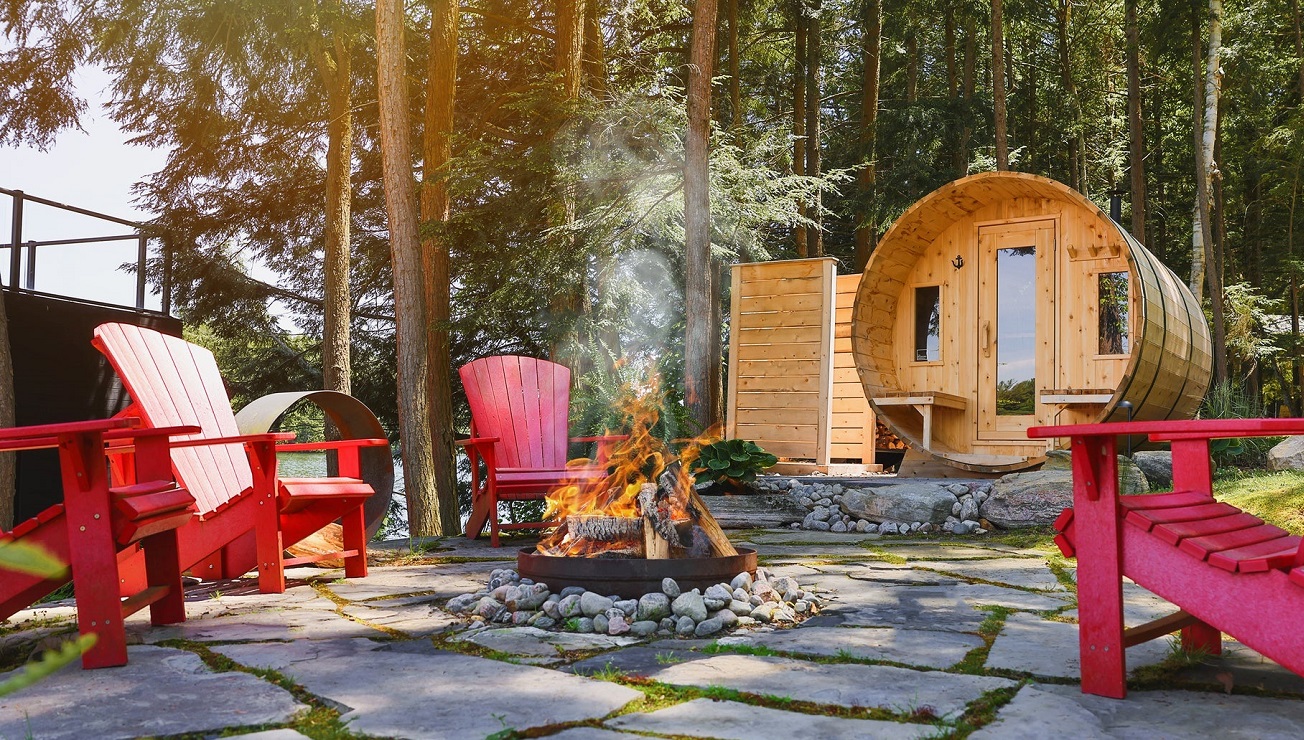
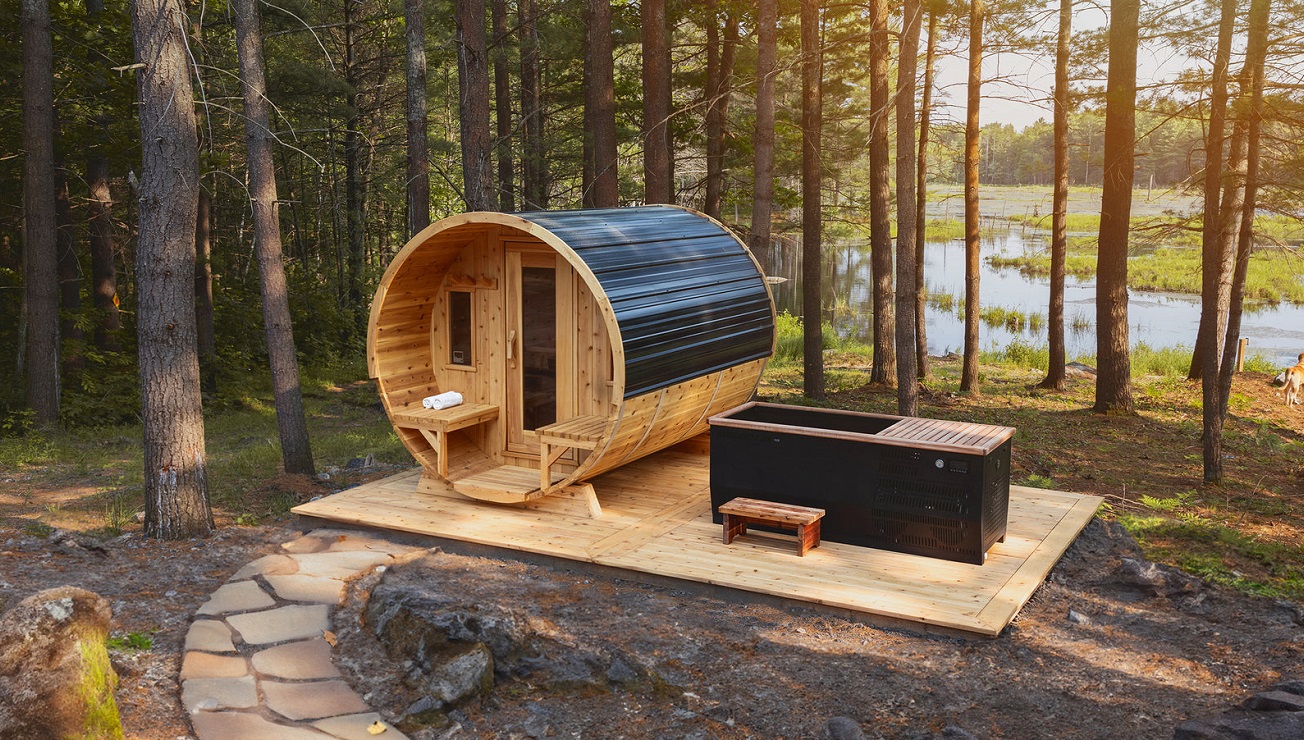
Imagine returning from a long day of outdoor adventures or work to unwind in your private oasis—a sauna nestled within the comforts of your recreational property or home. Adding a sauna to your living space isn’t just about luxury; it’s about investing in your well-being and enhancing your lifestyle. In this comprehensive guide, we’ll explore the myriad benefits of incorporating a sauna into your property, from relaxation and rejuvenation to health and social gatherings.

blog-img

Understanding the Appeal of Saunas:

Saunas have been cherished for centuries across various cultures for their therapeutic properties and social significance. Traditionally crafted from wood and heated with rocks or infrared technology, saunas offer a sanctuary for relaxation, detoxification, and social connection. Whether you’re seeking solace after a hectic day or fostering camaraderie with family and friends, a sauna provides the perfect setting to unwind and recharge.

Health Benefits:

  • Stress Relief: Stepping into a sauna induces a deep state of relaxation, releasing tension in both the body and mind. The heat soothes muscles, alleviates stress, and promotes feelings of calmness and well-being.
  • Detoxification: Sweating profusely in the sauna helps flush out toxins from the body, cleansing the skin and promoting detoxification. Regular sauna sessions can support healthy immune function and improve overall vitality.
  • Improved Circulation: The heat from the sauna causes blood vessels to dilate, increasing blood flow and oxygen delivery to tissues throughout the body. This enhanced circulation can accelerate healing, reduce inflammation, and promote cardiovascular health.
  • Pain Relief: Saunas have been shown to provide relief from chronic pain conditions such as arthritis, fibromyalgia, and muscle soreness. The combination of heat, humidity, and relaxation can alleviate discomfort and promote natural pain relief mechanisms.

Social and Recreational Benefits:

  • Bonding Experience: Sharing a sauna with family and friends fosters a sense of closeness and camaraderie. It provides an opportunity to disconnect from digital distractions and engage in meaningful conversations, strengthening social bonds.
  • Entertainment Space: A sauna can serve as a versatile entertainment space within your recreational property or home. Whether hosting intimate gatherings or larger events, the sauna offers a unique setting for relaxation, celebration, and entertainment.
  • Year-Round Enjoyment: Regardless of the season or weather conditions, a sauna provides a cozy retreat for relaxation and recreation. Whether it’s a snowy winter day or a balmy summer evening, the sauna offers a welcoming escape from the elements.

Property Value and Appeal:

  • Luxury and Exclusivity: Incorporating a sauna into your property enhances its appeal and distinguishes it from others on the market. Potential buyers or renters are drawn to amenities that offer luxury, comfort, and wellness-enhancing features.
  • Investment in Well-being: As wellness continues to gain importance in the real estate market, properties with saunas are perceived as valuable assets that prioritize health and lifestyle. Adding a sauna can increase the desirability and marketability of your property, potentially yielding a higher return on investment.

Considerations for Adding a Sauna to Your Property:

Before embarking on the journey of adding a sauna to your recreational property or home, consider the following factors to ensure a seamless integration and optimal experience:

  • Space and Location: Evaluate the available space and layout of your property to determine the most suitable location for the sauna. Consider factors such as proximity to changing rooms or outdoor access, ensuring privacy and convenience for users.
  • Type of Sauna: Choose the type of sauna that best fits your preferences, budget, and space constraints. Options include traditional Finnish saunas, infrared saunas, steam rooms, and portable saunas, each offering unique benefits and features.
  • Design and Aesthetics: Customize the design and aesthetics of the sauna to complement the existing architecture and decor of your property. Select high-quality materials, such as cedar or hemlock wood, for a natural and inviting ambiance.
  • Installation and Maintenance: Hire experienced professionals for the installation of the sauna, ensuring proper construction, ventilation, and electrical wiring. Establish a routine maintenance schedule to keep the sauna clean, sanitized, and in optimal working condition.

Adding a sauna to your recreational property or home is more than just a luxury; it’s an investment in your well-being and lifestyle. From relaxation and rejuvenation to social connection and property value, the benefits of incorporating a sauna are undeniable. By creating a dedicated space for wellness and leisure, you can enhance your quality of life and create lasting memories with family and friends. Whether you’re unwinding after a long day or hosting a gathering, a sauna provides the perfect retreat for relaxation, revitalization, and enjoyment.

blog-img

Photos courtesy of The Muskoka Sauna Co one of our trusted trades partners.

Embracing Serenity: Building Your Dream Retreat in Ontario’s Cottage Country

Ontario’s Cottage Country holds a special allure for those seeking solace amidst nature’s embrace. With its pristine lakes, lush forests, and breathtaking vistas, it’s no…

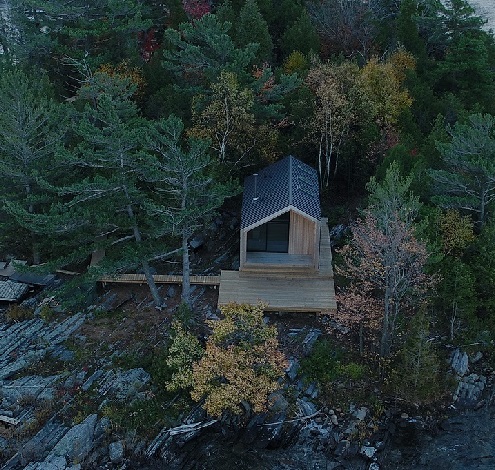
Ontario’s Cottage Country holds a special allure for those seeking solace amidst nature’s embrace. With its pristine lakes, lush forests, and breathtaking vistas, it’s no wonder that building a retreat in this idyllic setting is a dream for many. In this guide, we’ll delve into the enchanting world of cottage construction in Ontario, exploring everything from choosing the perfect location to navigating the regulatory landscape and creating a sanctuary that seamlessly blends with its surroundings.

blog-img

Choosing the Perfect Location

  • Lakefront vs. Forest: Consider the kind of environment you envision for your retreat. Do you crave the tranquility of a secluded forest setting or the sparkling allure of a lakeside view?
  • Accessibility: While seclusion is appealing, accessibility is key. Ensure your chosen location is easily reachable year-round, especially considering harsh winter conditions.
  • Proximity to Amenities: Balancing remoteness with access to amenities like grocery stores, healthcare facilities, and recreational activities is essential for convenience and comfort.

Navigating Regulatory Requirements

  • Zoning Regulations: Familiarize yourself with local zoning regulations governing cottage construction. These regulations dictate factors such as setback requirements, maximum building heights, and permitted land uses.
  • Permits and Approvals: Obtain the necessary permits and approvals from municipal authorities before commencing construction. This typically includes building permits, environmental assessments, and shoreline development permits.
  • Environmental Considerations: Respect the delicate ecosystem of Cottage Country by adhering to environmental regulations. This may involve conducting environmental impact assessments and implementing measures to minimize ecological disruption.
  • Choose a Qualified Local Builder: At RBA Projects, we have years of local experience and expert Project Managers who are skilled in navigating the complex world of zoning regulations, permits, and environmental considerations. It is our job to navigate these requirements on behalf of our clients to ensure your project moves forward smoothly.

Designing Your Sanctuary

  • Architectural Harmony: Design a retreat that harmonizes with its natural surroundings. Opt for materials and architectural styles that complement the landscape, whether it’s a rustic log cabin or a modern eco-friendly design.
  • Maximizing Views: Capitalize on the natural beauty of the surroundings by incorporating large windows and outdoor living spaces that offer panoramic views of the lake or forest.
  • Off-Grid Solutions: Consider off-grid alternatives for power generation and water supply to minimize your ecological footprint and enhance self-sufficiency.
  • Building on the Canadian Shield: Much of Ontario’s cottage country is perched atop the Canadian Shield. As such, careful consideration must be made for placement of utilities and foundations. In cottage country, homes typically don’t have a dug foundation. Blasting may be necessary to achieve your design goals.
  • Consider the Seasons: Is your cottage intended for year round use? You must consider the winterization of your cottage and protecting against frozen plumbing. In the warmer months, consider screened in outdoor living areas to keep mosquitoes and blackflies out.

Building with Sustainability in Mind

  • Energy Efficiency: Implement energy-efficient design features such as passive solar heating, high-performance insulation, and energy-efficient appliances to reduce energy consumption and operating costs.
  • Water Conservation: Employ water-saving fixtures and implement rainwater harvesting systems to conserve precious freshwater resources.
  • Natural Landscaping: Embrace native landscaping practices that promote biodiversity and require minimal maintenance, reducing the need for water, pesticides, and fertilizers.

Creating Your Oasis

  • Outdoor Living Spaces: Craft inviting outdoor living spaces where you can unwind and connect with nature. This may include decks, patios, fire pits, and waterfront docks.
  • Recreational Amenities: Enhance your retreat with recreational amenities that cater to your interests, whether it’s boating, fishing, hiking, or simply lounging by the water’s edge.
  • Personal Touches: Infuse your retreat with personal touches that reflect your unique style and preferences, from cozy furnishings to cherished artwork and heirlooms. Consider buying works from local artists that help capture the essence and beauty of the area.

Embracing the Cottage Lifestyle

  • Disconnecting from the Digital World: Embrace the opportunity to disconnect from the digital world and immerse yourself in the simple pleasures of cottage living. Spend quality time with loved ones, indulge in leisurely activities, and savor the serenity of nature.
  • Community Engagement: Engage with the local community and participate in seasonal events, farmers’ markets, and cultural festivals to forge meaningful connections and enrich your cottage experience.
  • Preserving the Legacy: Cherish the legacy of Ontario’s Cottage Country by stewarding the land with care and passing down the tradition of cottage living to future generations.

Building a retreat in Ontario’s Cottage Country is more than just constructing a structure; it’s about creating a sanctuary where you can escape the hustle and bustle of everyday life and reconnect with the rhythms of nature. By choosing the perfect location, navigating regulatory requirements, designing with sustainability in mind, and embracing the cottage lifestyle, you can embark on a journey of serenity and fulfillment in one of Canada’s most cherished landscapes. So, why wait? Let your dream retreat in Cottage Country become a reality and experience the unparalleled magic of lakeside living amidst Ontario’s natural splendor.

Navigating Building Contracts: Fixed Price vs. Cost-Plus

In the realm of construction projects, navigating through the maze of contracts is as crucial as laying the foundation itself. Two prevalent types of contracts…

In the realm of construction projects, navigating through the maze of contracts is as crucial as laying the foundation itself. Two prevalent types of contracts, fixed-price and cost-plus, stand as pillars supporting the structure of agreements between clients and contractors. Each method brings its unique set of advantages and challenges to the table, influencing decisions and outcomes significantly. In this comprehensive guide, we delve into the intricacies of fixed-price and cost-plus contracts, shedding light on their differences, benefits, and considerations.

Understanding Fixed-Price Contracts

Fixed-price contracts, also known as lump-sum contracts, present a straightforward arrangement wherein the contractor agrees to complete the project for a predetermined total price. This sum typically encompasses all costs, including materials, labor, overheads, and profits. In essence, the client bears minimal financial risk, as any cost overrun becomes the contractor’s responsibility.
blog-img

Pros of Fixed-Price Contracts:

  • Budget Certainty: Clients benefit from a clear understanding of project costs from the outset, aiding financial planning and resource allocation.
  • Risk Transfer: The burden of managing cost overruns due to unforeseen circumstances such as material price fluctuations or labor shortages falls primarily on the contractor.
  • Incentive for Efficiency: Contractors have a vested interest in completing the project within budget and schedule constraints to maximize profits.

Cons of Fixed-Price Contracts:

  • Limited Flexibility: Changes in project scope or unforeseen conditions may necessitate costly change orders, potentially leading to disputes over additional costs.
  • Risk of Underestimation: Contractors may inflate initial estimates or cut corners to mitigate the risk of absorbing unforeseen expenses, compromising quality or scope.

Exploring Cost-Plus Contracts

Cost-plus contracts operate on a fundamentally different principle, wherein the client reimburses the contractor for the actual costs incurred during construction, plus an additional fee or percentage for profit and overhead expenses. This arrangement offers greater flexibility but introduces a degree of uncertainty regarding the final project cost.

Pros of Cost-Plus Contracts:

  • Flexibility: Clients retain the ability to modify project scope or specifications without incurring significant change-order costs, fostering adaptability to evolving needs.
  • Transparent Cost Structure: Clients have visibility into actual project expenses, promoting accountability and informed decision-making.
  • Collaborative Relationship: Since the contractor and client share the risk, there’s often a higher level of collaboration and trust, leading to smoother project execution.

Cons of Cost-Plus Contracts:

  • Cost Uncertainty: Clients bear the risk of cost overruns, particularly if the project encounters delays or unforeseen challenges, potentially leading to budgetary strain.
  • Potential for Disputes: Without a fixed price, disagreements may arise regarding the reasonableness of costs or the extent of overhead and profit margins. Less Incentive for Efficiency: Contractors may face less pressure to optimize costs and timelines, potentially resulting in inefficiencies or project delays.

Factors Influencing Contract Selection

The choice between fixed-price and cost-plus contracts hinges on various factors, including project complexity, budget constraints, risk tolerance, and the client-contractor relationship. Consider the following guidelines when determining the most suitable contract type:

  • Project Scope and Complexity: For well-defined projects with minimal uncertainty or potential for scope changes, fixed-price contracts offer clarity and predictability. Conversely, projects with evolving requirements or significant unknowns may benefit from the flexibility of cost-plus arrangements.
  • Budget Constraints: Clients with strict budget limitations may prefer fixed-price contracts to cap costs and avoid financial surprises. However, those prioritizing flexibility and quality over cost certainty may opt for cost-plus contracts despite the potential for higher expenses.
  • Risk Allocation Preferences: Assess the risk appetite of both parties and their willingness to assume financial liabilities. Fixed-price contracts shift the onus of risk onto the contractor, while cost-plus contracts distribute risk more evenly between the client and contractor.
  • Client-Contractor Relationship: A strong foundation of trust and collaboration fosters successful outcomes regardless of the contract type. Clients should choose a contracting approach aligned with their preferred level of involvement and communication with the contractor.

Mitigating Risks and Enhancing Success

Regardless of the chosen contract type, proactive risk management and clear communication are paramount to project success. Implement the following strategies to mitigate risks and enhance collaboration:

  • Comprehensive Scope Definition: Invest time in clearly defining project requirements, deliverables, and acceptance criteria to minimize scope creep and change orders.
  • Contingency Planning: Anticipate potential risks and allocate contingency reserves to address unforeseen challenges without derailing the project.
  • Regular Progress Monitoring: Maintain open channels of communication and regularly review project progress, costs, and performance metrics to identify and address issues promptly.
  • Dispute Resolution Mechanisms: Establish clear dispute resolution mechanisms in the contract to address disagreements swiftly and amicably, minimizing project delays and legal costs.

In the dynamic landscape of construction projects, selecting the appropriate contract type is a critical decision that profoundly influences project outcomes. Fixed-price contracts offer budget certainty and risk transfer at the expense of flexibility, while cost-plus contracts provide adaptability and transparency but carry inherent cost uncertainty. By carefully evaluating project requirements, risk factors, and client-contractor dynamics, stakeholders can make informed decisions that align with their objectives and foster successful project delivery. Ultimately, a collaborative approach, supported by proactive risk management and effective communication, lays the foundation for fruitful partnerships and remarkable construction achievements.

Client Login